ONLINE NOW - OPEN 24/7
If you keep hearing banging pipes in your Port Melbourne property, it could be water hammer. This plumbing pressure shock happens when flowing water stops suddenly and sends a shockwave through the pipes.
Over time, repeated water hammer can damage joints, valves, fittings, and aging pipework, increasing the risk of leaks and burst pipes. If the noise keeps returning, it is usually a sign the plumbing system should be checked before the damage becomes expensive.
Water hammer is a plumbing pressure shock that happens when flowing water suddenly stops or changes direction. The sudden force sends a shockwave through the pipes, which is often heard as banging, knocking, or vibrating inside walls, floors, or around appliances.
Common causes of water hammer include washing machines, dishwashers, toilets, mixer taps, fridges with water lines, and fast-closing valves. In Port Melbourne apartments and multi-level buildings, shared plumbing systems and high water pressure can also contribute to the problem.
Many people ignore the noise because there are no visible leaks, but persistent water hammer is usually a sign the plumbing system is under stress.
Water hammer may seem harmless at first, but repeated pressure shock can slowly damage different parts of a plumbing system over time. As the stress builds, weakened joints, fittings, valves, and ageing pipes become more vulnerable to leaks, hidden damage, and burst pipes.
A single water hammer event may not cause obvious damage. The problem is repeated pressure shock over time. Each surge places sudden force on the plumbing system, especially around pipe bends, valves, joints, and fittings that already experience daily movement and pressure changes.
The pipe itself is not always the first thing to fail. Water hammer commonly weakens joints, flexible connectors, valves, and fittings where vibration and movement are felt most. As these components loosen or wear down, the risk of leaks and plumbing failures increases.
One of the biggest risks with water hammer is that damage often develops out of sight. Small cracks, worn seals, or loose fittings can worsen behind walls, ceilings, cabinetry, and service areas long before visible water damage appears.
Older copper pipes, ageing repairs, and flexible plumbing connectors are often more vulnerable to repeated pressure stress. In many Port Melbourne homes and apartment buildings, ageing plumbing systems may already have weak points that water hammer can worsen over time.
If the pressure stress continues, weakened sections of plumbing can eventually fail and burst. Burst pipes can damage flooring, walls, cabinetry, ceilings, and electrical areas, especially in apartments and commercial properties where leaks can spread into neighbouring spaces.
Water hammer does not always cause immediate plumbing damage, but it usually gives warning signs before bigger problems develop. If the noise keeps returning or the plumbing system starts behaving differently, it is worth having the issue checked early.
Common signs of water hammer include:
These signs often point to ongoing pressure stress inside the plumbing system that will not usually resolve on its own.
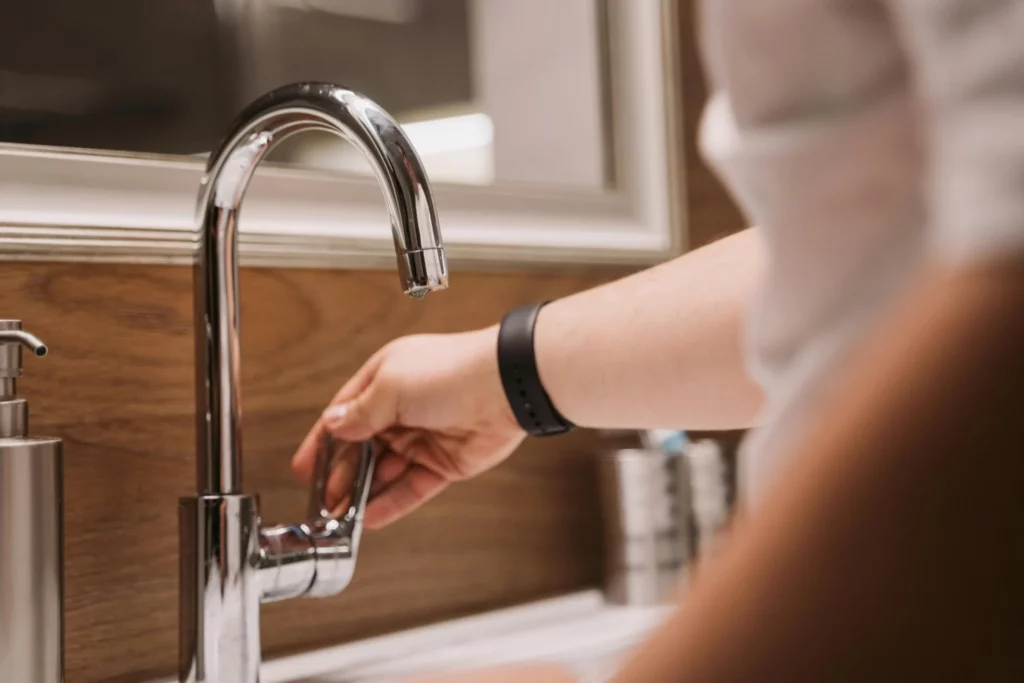
Water hammer is not always caused by one simple problem. While online advice may reduce the noise temporarily, the underlying issue can involve high water pressure, failing valves, loose pipework, ageing fittings, or hidden plumbing damage elsewhere in the system.
In apartment buildings and older Port Melbourne properties, multiple factors can contribute to the problem at the same time. Fixing the wrong component may leave the real cause unresolved, allowing pressure stress and pipe damage to continue.
In Victoria, plumbing work must be carried out by a properly qualified plumber, and the Victorian Building Authority sets the rules for licensing and regulated plumbing work. If water hammer is linked to hidden pipe damage or excessive water pressure, proper diagnosis matters more than a temporary workaround.
If water hammer keeps returning, it is a good idea to have the plumbing system checked before the pressure causes more serious damage.
You should contact a licensed plumber if you notice:
This is especially important in older homes, apartment buildings, and commercial properties where aging pipework and hidden leaks can increase the risk of burst pipes and water damage.
Early assessment is usually the lower-cost option because it allows the underlying pressure issue to be identified before a burst pipe turns into an urgent repair.
A local Port Melbourne plumber can identify the cause of the pressure shock, check for hidden plumbing damage, and recommend the safest long-term repair solution.
The right solution for water hammer depends on what is causing the pressure shock in the plumbing system. In some properties, the issue may be related to high water pressure, while in others it can involve loose pipework, failing valves, or ageing fittings.
A licensed plumber may recommend:
Water pressure can also play a major role. The Victorian Building Authority states that if static water pressure within a property exceeds 500 kPa, a pressure limiting valve may be required to help protect the plumbing system from excessive strain.
The goal is not just to reduce the noise, but to prevent ongoing pressure stress from damaging the plumbing system over time.
If you’re hearing water hammer in Port Melbourne, the safest next step is a plumbing inspection before the noise turns into a leak or burst pipe. Blue Diamond Plumbing works across homes, apartments, and commercial facilities, and when you call, you speak directly with an experienced plumber who knows the local area.
We have been operating since 1984, provide clear reporting with before and after photos where needed, and respond quickly when urgent plumbing issues appear.
For help in Port Melbourne, call 03 9636 0156 and have the problem checked properly.
Toilet blockages can become more common during certain times of the year due to seasonal changes.
In high-density areas like Southbank, where multiple properties rely on shared drainage systems, these conditions can place additional strain on pipes and increase the likelihood of blockages.
Here are the key factors to be aware of:
Temperature changes can affect how your plumbing system performs, especially in buildings with shared or ageing infrastructure.
In areas like Southbank, where many properties rely on vertical stacks and older underground drainage, even small shifts in temperature can cause pipes to expand or contract. This movement can create slight misalignments where debris is more likely to catch and build up.
Over time, these small disruptions can affect how efficiently waste moves through the system.
In winter when the temperature is colder, fats, oils, and grease tend to solidify much more quickly inside your pipes. As these materials harden, they stick to the inner walls and begin to catch other waste passing through, gradually forming larger blockages.
Over time, this buildup can restrict flow and lead to more stubborn clogs that are harder to clear with simple methods.
During spring’s heavy rainfall, large amounts of water enter the drainage system at the same time, reducing the capacity available for waste to flow through.
In connected systems like those found in Southbank, this can slow down how quickly waste clears, especially if there are existing minor blockages.
As a result, issues that may not have been noticeable before can start to surface, such as slow flushing or recurring toilet blockages.
Higher occupancy in residential towers puts a strain on the system, especially during summer when water usage increases.
In buildings like those in Southbank, where multiple units rely on the same drainage system, this added demand can make it harder for waste to clear efficiently.
It can also increase the likelihood of unsuitable items being flushed, particularly in high-traffic properties or short-term stays, leading to a higher risk of blockages.
During autumn, falling leaves and organic debris can accumulate around external drainage points such as grates and gullies, and can also lead to gutters becoming blocked by leaves.
As this buildup increases, it can restrict how water enters the system, causing it to pool or drain more slowly.
This added pressure can affect how efficiently your internal plumbing performs, increasing the likelihood of toilet blockages during periods of heavier rainfall.
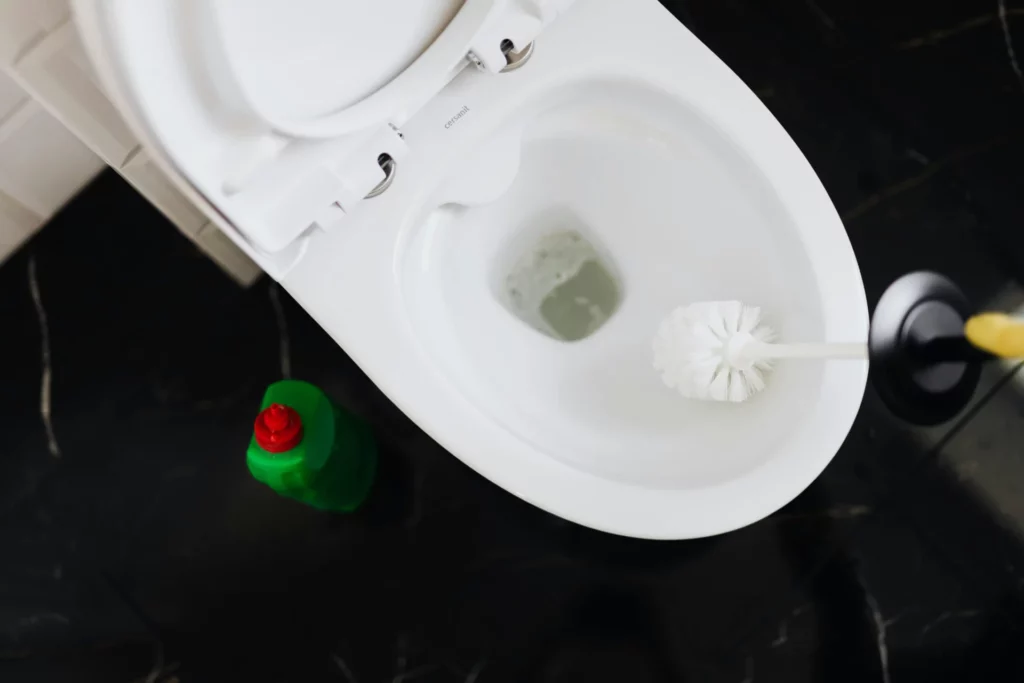
Some blockages start small but quickly become more serious.
Common signs to look out for include:
If you notice any of these, the blockage is likely deeper in the system and may require a professional plumber to investigate.
If your toilet blockage isn’t resolving or keeps returning, it may require professional clearing to address the underlying issue.
Blue Diamond Plumbing provides reliable toilet blockage services across Southbank, helping restore proper flow and prevent recurring problems.
Work is carried out in line with Plumbing Regulations 2018 and Victorian Building Authority standards, ensuring your system is handled safely and correctly.
Call 03 9636 0156 or get in touch online to arrange a service.
Managing gutter systems becomes a problem in autumn when falling leaves begin to build up and affect drainage.
In Toorak, where leafy streetscapes are common, this seasonal buildup can become difficult to manage without regular maintenance.
Autumn is the most important time to address this. Here’s why.
During autumn, leaves, twigs, and organic debris fall directly into your gutter system.
In areas with established trees, this buildup can occur quickly as debris continues to collect over a short period. This forms a compact layer that blocks water from flowing into the downpipes.
Debris doesn’t fall all at once in autumn. It continues to build up over time as trees shed leaves throughout the season.
Even if gutters are partially cleared, additional leaves can quickly collect again, especially in areas with dense tree coverage.
This ongoing buildup makes it difficult to keep gutters clear without regular attention during this period.
When gutters are blocked, water cannot drain properly and begins to spill over the sides.
Instead of flowing into the downpipes, it runs along roof edges and down external surfaces where it can affect roofing, walls, eaves, and nearby structure.
Blocked gutters can also cause water to back up under the tiles or metal sheeting. Over time, this can lead to moisture-related issues such as mould, pest activity, and damage to surrounding areas like landscaping.
By the time winter arrives, any existing buildup in your gutters is already restricting water flow.
As rainfall becomes more frequent and heavier, blocked gutters are unable to handle the increased volume, causing water to overflow more consistently.
Without proper gutter cleaning, what may have been a minor issue during autumn can quickly become a larger problem once sustained rain puts additional pressure on the drainage system.
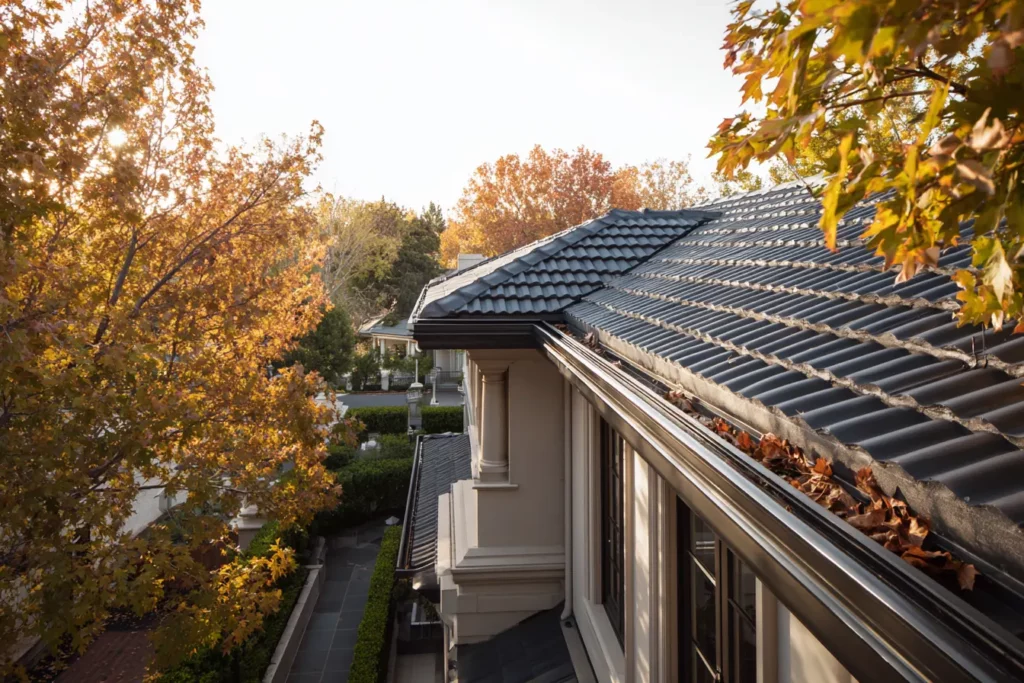
Some homeowners choose to clean their gutters themselves, particularly for smaller properties with easy access.
However, this approach has limitations:
Professional gutter cleaning offers a more thorough approach:
If you’d prefer a professional to handle it, Blue Diamond Plumbing provides reliable gutter cleaning for homes across Toorak, ensuring your gutters and downpipes are properly cleared before winter.
Call 03 9636 0156 or get in touch online to book a service and avoid issues during the colder months.
Managing plumbing across multiple properties becomes unpredictable when every site is handled differently.
A structured plumbing maintenance plan gives you one consistent system for inspections, reporting, and repairs across every site. It reduces emergencies, improves visibility, and makes costs easier to control.
Here’s how to set that up and run it effectively across Melbourne CBD properties.
The first step is to apply a consistent approach to plumbing maintenance across every property. This means standardising how inspections are carried out and how work is prioritised.
In practice, this includes:
Common issues like blocked drains, failed valves, or hot water faults are easier to identify and resolve early when every site follows the same process.
This creates a single, repeatable system across your portfolio. Issues are identified earlier, decisions are easier to make, and maintenance becomes more predictable instead of reactive.
For Melbourne CBD properties where buildings are high use and issues escalate quickly, this consistency helps maintain stable operations and reduces ongoing disruption.
Once your approach is standardised, the next step is to define exactly what gets checked, tracked, and maintained across every property.
Set a baseline schedule, then adjust based on building use and risk. High traffic amenities and food-related tenancies require more frequent checks than low use areas.
Common inspection points include:
An asset register allows you to manage plumbing across multiple sites without relying on memory or repeated investigations.
At minimum, it should record:
Commercial plumbing intersects with public health and safety requirements. Your plan should include scheduled checks that are documented and easy to retrieve.
This may include:
If your portfolio includes cooling towers, there are specific requirements in Victoria for managing Legionella risk. This includes having risk management plans in place, along with regular monitoring and record keeping.
You can refer for guidance from the Victorian Department of Health for current requirements.
A practical commercial plan separates:
This makes it easier to justify spending, reduces unexpected costs, and helps maintain consistent service levels across your properties.
Once your maintenance plan is in place, the focus shifts to running it consistently.
Use a single system to manage maintenance across all properties. This ensures inspections happen on time and nothing is missed.
This means:
A maintenance plan only works if issues are recorded consistently across every site. Without this, it becomes difficult to prioritise work or spot recurring problems.
Use a standard reporting format that captures:
This creates a clear, consistent record across your portfolio and ensures issues are documented the same way at every site.
Multi-site portfolios run more smoothly when responsibilities and processes are clearly defined.
This includes:
Over time, consistent maintenance and reporting will highlight patterns across your portfolio.
For example:
Instead of fixing the same problems repeatedly, you can address the root cause and plan upgrades where needed.
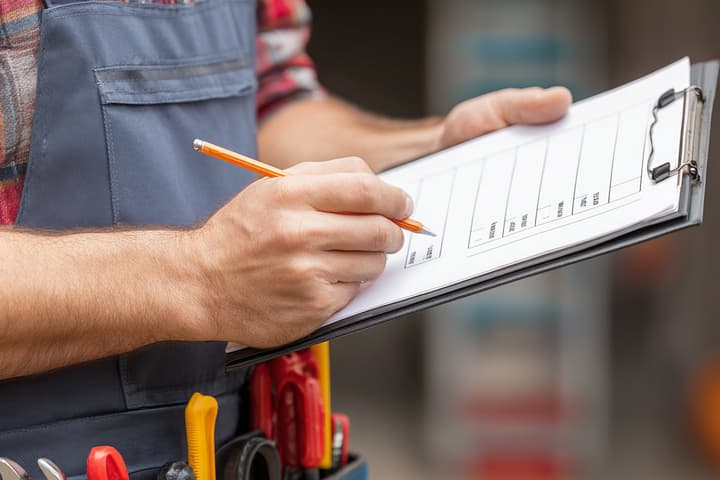
Managing multiple properties comes with constraints. The goal is to reduce disruption and keep problems under control.
Even with a structured plan, issues will still occur. Focus on isolating problems quickly, restoring critical services, and limiting wider impact.
Delaying maintenance often leads to higher costs later. Prioritise work based on risk, likelihood of failure, and operational impact.
Different processes across sites lead to uneven results. Use consistent checklists, reporting, and service standards.
Poor communication leads to repeated issues and unnecessary callouts. Make it clear what’s happening, what’s affected, and how to report problems.
A multi-site maintenance depends on consistent delivery. Not every plumbing provider is set up to manage multiple properties with the same level of reliability.
Look for a partner who can:
If you’re looking for a team that can deliver this consistently, Blue Diamond Plumbing supports multi-site properties across Melbourne CBD with reliable, well-managed maintenance.
Call 03 9636 0156 or contact us online to arrange a tailored maintenance plan and keep your properties running smoothly.
A burst pipe rarely starts as a dramatic flood. In many South Yarra homes and apartments, it begins as a small failure in a joint or section of pipe that slowly releases water into places you cannot see.
If you need burst pipe repair in South Yarra, the goal is simple: stop water early, limit damage, and get a clear explanation of what failed so it doesn’t happen again.
When a pipe fails, water does not stay where it starts. It follows gravity, finds gaps in framing, and soaks into materials designed to stay dry.
Even a modest leak can lead to:
Water damage also accelerates over time. The longer a leak runs, the more likely you will need drying, plastering, painting, flooring repairs, and mould remediation.
That’s why timely action matters more than the size of the leak you can see.
Many people only call a plumber once they see water. By then, water may have been moving through wall cavities or under floors for days.
Look for these early signs:
In properties with multiple occupants, repeated reports of low pressure or dampness in the same area can indicate a developing pipe failure rather than an isolated issue.
You don’t need technical knowledge to take the right first steps. The priority is safety and limiting damage.
If you suspect a burst or active leak:
Avoid improvised fixes. Makeshift sealing products can fail under pressure and sometimes complicate proper repairs.
When burst pipe repair is arranged early, the work often stays contained to the pipe and a small access point. When repairs are delayed, the cost often shifts from plumbing to restoration.
In simple terms:
Disruption also increases. Planned repairs can be scheduled with minimal interruption, while late-stage leaks require urgent access through walls or ceilings, longer drying times, and multiple trades returning over several days.
For rentals, strata properties, or commercial sites, early repair also reduces the risk of secondary claims and tenant complaints.
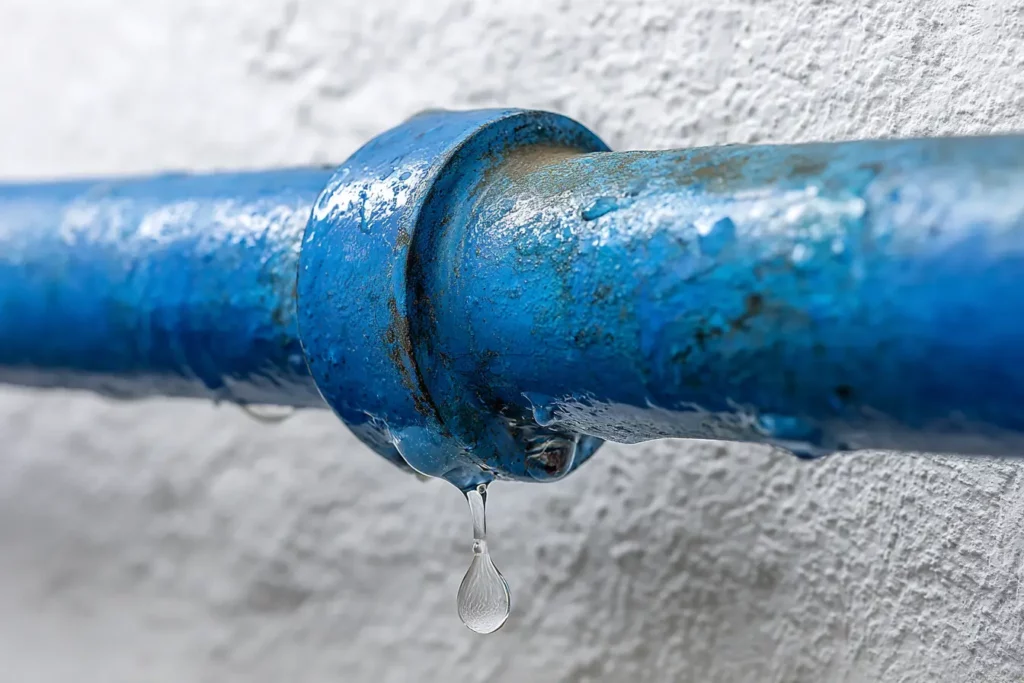
When water damage is possible, you want more than a fast arrival. You want a service that can diagnose accurately and document the work clearly.
Look for these decision factors:
If you want to verify if a practitioner is appropriately registered, use the public search tool of the Victorian Building Authority.
When you need burst pipe repair in South Yarra, you want a plumber who turns up on time, explains the problem clearly, and documents the work so you’re not guessing later.
Blue Diamond Plumbing has been operating in South Melbourne for more than 40 years, with experience across South Yarra and surrounding suburbs. Our team understands older homes, renovated properties, and apartment buildings where leaks can affect more than one space.
You speak directly with an experienced plumber, not a receptionist. We are known for being open, honest, and responsive, and we back that up with:
We also support larger commercial clients, including childcare and aged care organisations with multiple facilities, where documentation and consistency matter.
If you suspect a leaking or failing pipe, call 03 9636 0156 or visit Blue Diamond Plumbing for prompt help.
Apartment plumbing is a shared system. Even when a leak looks small at the tap, the pressure, pipework, and hot water services behind it often connect to a broader network than a standalone home.
In many St Kilda flats, a constant drip can quietly push up usage, place extra strain on hot water systems, and lead to billing disputes between tenants, owners, and strata.
This guide explains what counts as a leaking tap, how it affects water bills in flats, and when to call a leaking tap plumber so you can act early and avoid avoidable costs.
A leaking tap is not always a dramatic flow. Even a slow drip is still water usage.
Over weeks and months, that low-volume waste becomes measurable, billable consumption, despite how minor it looks at the sink.
A practical reference point from the Australian Government’s Your Home guide shows how quickly this adds up. One drip per second can waste more than 12,000 litres of water a year!
That figure surprises most apartment residents because the leak looks minor at the sink.
To put that into perspective:
| Leak Pattern | Approx. Waste Per Year |
| 1 drip per second | 12,000+ litres |
| 1 drip every 10 seconds | 1,200+ litres |
| 1 drip per minute | 200+ litres |
In apartment living, this type of continuous loss can accumulate long before anyone realises it is affecting overall usage.
Apartment plumbing is a shared system. Even when a leak looks small at the tap, the pressure, pipework, and hot water services behind it often connect to a broader network than in a standalone home.
This is one reason leaks can persist unnoticed in flats. A drip may feel like “someone else’s problem” in a rental, background noise from neighbours can mask running water, and people often assume strata will notice the issue.
In practice, strata usually rely on residents to report problems.
When a leaking tap goes unreported, water loss can continue quietly while usage accumulates across the system, increasing overall consumption before anyone realises there is an issue.
How a leaking tap affects your water bill depends on how the building is metered.
In flats with individual meters, the impact is direct. A leaking tap shows up as higher usage on that apartment’s bill. In some cases, residents may also notice increased hot water energy costs if the leak is on the hot side, along with faster wear on tempering valves or mixers.
In buildings with shared or strata water billing, the effect is spread across multiple units. One leaking tap can increase total building consumption, with costs passed on through strata fees or usage apportionment. This often creates tension when bills rise and it is unclear which apartment caused the increase.
Because billing structures vary between buildings, the same leak can lead to very different cost outcomes depending on how water use is measured and charged.
Many flats rely on central hot water systems, circulating lines, or booster pumps to maintain consistent water pressure and temperature across the building.
When a tap leaks constantly, even at a low rate, it can:
Over time, this extra demand can highlight pressure or balancing issues that affect other fixtures in the system.
This is why a leaking tap in an apartment can create flow-on costs beyond the water it wastes, particularly in buildings with shared hot water infrastructure.
St Kilda has a mix of older walk ups, renovated apartments, and multi-storey buildings. Several local factors can make leaking taps more frequent or more expensive to leave unchecked.
In this environment, what appears to be a minor tap leak can place additional strain on fittings and systems, increasing ongoing water and energy costs if it is not addressed early.
Who pays when a tap leaks is not always obvious in apartment living. Responsibility can vary depending on the building and tenancy arrangement.
In practice, it often depends on:
Delayed reporting can complicate things.
If a tenant notices a leak but does not report it, the owner may argue that some costs were avoidable. If the leak is connected to a building-wide pressure or system issue, strata may need to be involved.
A professional assessment helps create a clear record of what failed, where the issue sits, and what action is required, which can be important when costs are questioned or shared.
For added assurance, you can verify a plumber’s registration or licensing status through the Victorian Building Authority’s practitioner search.
Some leaks are obvious. Others show up as patterns in usage rather than visible water at the fixture.
Watch for:
In managed buildings, these patterns may also appear as repeat complaints from multiple units experiencing similar symptoms, which can indicate a broader issue rather than a single faulty tap.
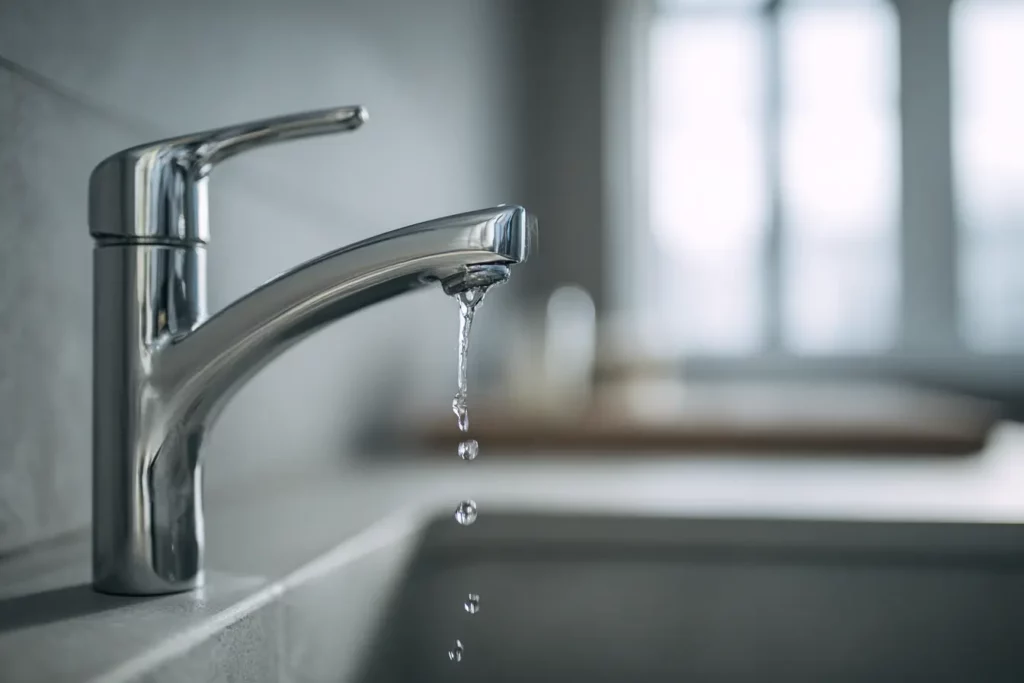
In a flat, the goal is not just to stop a drip. It’s to confirm the leak is properly resolved and not part of a wider issue affecting the building.
When tap repairs are delayed, costs often compound:
A licensed plumber can help limit these risks by providing pressure testing at the point of use, diagnosing whether the issue sits within a single unit or the broader system, and completing repairs that comply with Victorian plumbing standards.
Clear reporting can also help when strata, insurers, or neighbouring residents are involved.
If you’ve ever dealt with an insurance claim or a neighbour complaint, you already know that early action is easier than retroactive explanations.
In flats, it’s not always obvious whether a leaking tap is isolated or part of a wider issue. Call a licensed plumber if the leak persists, multiple taps show similar symptoms, you suspect excessive pressure, or you’re unsure whether strata should be involved.
Blue Diamond Plumbing has serviced South Melbourne and bayside suburbs, including St Kilda, for more than 40 years. You deal directly with an experienced plumber who focuses on accurate diagnosis, clear communication, and proper documentation, so the issue is resolved and understood the first time.
For leaking tap issues in St Kilda flats, call 03 9636 0156 to arrange an assessment.
Roof plumbing is designed to move rainwater away from your roof, walls, and foundations. When it fails, water rarely stays in one place.
It can track along timbers, seep into wall cavities, and show up weeks later as stains or damp.
South Melbourne homes are particularly exposed. Many properties have older gutters, complex heritage rooflines, and coastal weather that accelerates wear over time.
This guide helps you recognise common warning signs early so you can make a clear decision about when to call a licensed roof plumber. Spotting these issues early usually prevents more extensive damage and repairs later.
Gutters are meant to carry water to downpipes, even during heavy rain. In South Melbourne, blocked gutters are common due to leaf litter, wind blown debris, and roof sediment build up over time.
Early signs homeowners often notice include:
If overflow happens more than once, it is worth booking a roof plumbing inspection. Repeated overflow can saturate eaves and contribute to internal damp and ceiling damage.
Roof penetrations include skylights, vents, chimneys, flues, and exhaust outlets. These areas rely on seals and flashings to prevent water entry and are common leak points as materials age.
Early indoor signs can include:
A licensed roof plumber in South Melbourne can confirm whether the leak originates at the penetration itself, the surrounding flashing, or nearby roof sheets or tiles.
Flashings seal joins where the roof meets walls, chimneys, or changes direction. Over time, they can loosen, crack, or separate due to weather exposure and natural expansion and contraction.
Subtle signs that can indicate flashing issues include:
Flashing problems are often missed during quick visual checks. A professional inspection helps identify the true entry point and prevent ongoing damage.
Storms, strong winds, and gradual roof movement can crack tiles, shift ridge caps, or loosen fixings on metal roofing. Even a small opening can let water in during driven rain.
What to look for after storms:
If you see visible movement, treat it as time sensitive. Water entry can begin long before you see marks on the ceiling.
Downpipes and stormwater drains move roof water away from the building. When they are blocked, disconnected, or undersized for the roof catchment, water can back up and overflow.
Common signs include:
When roof water doesn’t discharge correctly, the risk extends beyond the roof to structural damp and foundation movement.
Hidden water entry is one of the hardest issues to detect. Water can run behind linings and show up far from the original point of entry.
Signs that may indicate hidden damage include:
If these signs persist, a licensed roof plumber can help trace the source and clearly document the findings.
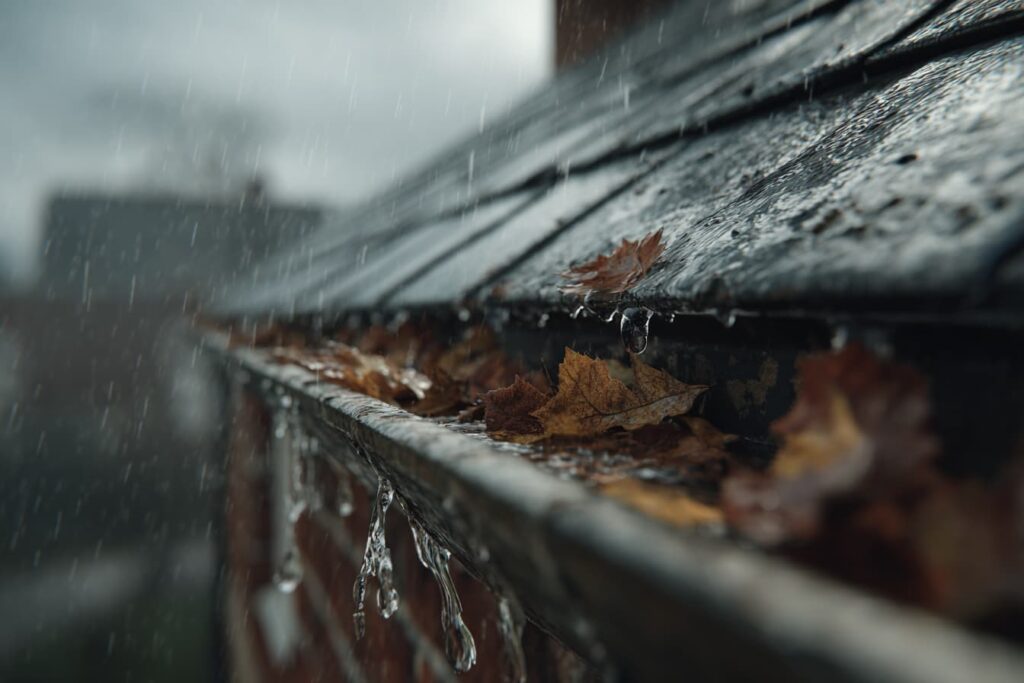
Some roof plumbing issues can be monitored, but others signal that professional assessment is needed to prevent wider damage.
Use the table below to quickly match what you’re seeing with what it often points to:
| What You Notice | What It Often Points To |
|---|---|
| Overflowing gutters in rain | Blocked gutters or downpipes |
| Stains on walls near eaves | Gutter overflow or misaligned gutters |
| Ceiling marks after rain | Leak around roof penetrations or flashings |
| Musty smells in cupboards | Hidden water entry behind linings |
| Pooling water near downpipes | Stormwater blockage or poor drainage |
| Roof movement after storms | Displaced tiles or loosened metal fixings |
If you’re noticing any of the following, it’s usually time to book a licensed roof plumber in South Melbourne:
Homeowners often try to check the roof visually, but many faults sit beneath flashings, inside joins, or within drainage runs that aren’t visible from the ground.
A professional inspection can:
When roof plumbing problems are left unresolved, damage often extends beyond the roof surface. This can include:
If you want to confirm a plumber is appropriately registered, you can use the Victorian Building Authority practitioner search.
Roof plumbing problems rarely improve on their own. Acting early helps limit damage, reduce repair costs, and avoid unnecessary disruption.
If you want certainty, work with a roof plumber in South Melbourne who understands heritage rooflines, older drainage systems, and the local conditions that affect how water moves through these properties.
Blue Diamond Plumbing has operated in South Melbourne for more than 40 years. When you call, you speak directly with an experienced plumber, not a receptionist.
We focus on clear advice, reliable scheduling, and workmanship that stands up over time.
Call 03 9636 0156 today to arrange an inspection.
If you own a property in the Melbourne CBD, preventive plumbing maintenance is one of the smartest ways to protect your investment and reduce risks.
Planned inspections and routine servicing keep plumbing systems operating reliably for tenants while helping investors avoid unexpected downtime, water damage, and emergency costs.
Let’s talk about the common plumbing issues in city buildings and how a simple maintenance program can prevent unnecessary disruptions.
Small plumbing issues rarely stay small. For example:
A scheduled preventive maintenance plan helps:
Mineral build-up inside water heaters and pipes can restrict flow and put extra strain on components. Tenants may notice:
Preventive maintenance helps:
In apartments and commercial suites, braided hoses and older mixer taps are common points of failure.
Small issues can quickly turn into leaks that affect multiple units, but early attention can prevent major problems.
Watch for these warning signs:
How to prevent unexpected leaks:
Vent pipes play a key role in keeping your plumbing system healthy. They allow air to move through the pipes so traps can hold water and keep unpleasant odours contained.
When vents are blocked or too small, you might notice:
Routine checks of rooftop vents and plant rooms help maintain airflow, stabilise drainage, and improve indoor air quality.
Leaves and wind‑blown debris can block gutters, sumps, and downpipes on podiums and rooftops.
When heavy rain hits, this can lead to water entering riser cupboards or lift lobbies.
Regular seasonal maintenance helps by:
Basements and low-lying fixtures depend on pumps, floats, and control panels to keep wastewater moving safely.
If a pump fails or a float gets stuck, wastewater can rise and overflow.
To prevent problems:
Keeping certificates scattered across different files can slow down audits and delay insurance claims. Using a cloud-based log makes things simpler and faster.
Benefits of a centralised cloud log include:

For responsibilities and plumbing guidance, see the Victorian Building Authority.
We take care of your essential services so you can focus on maximising your property’s returns. You speak directly to a licensed plumber who knows your building.
Our reports are clear, with photos and recommendations that align with budgets and leasing obligations.
When needed, our after‑hours team provides a 24 hour emergency plumbing service to keep tenants safe and trading.
Start with a site review and a short list of priorities. We will map a schedule that fits operating hours and minimises disruption for residents and tenants.
With a clear plan in place, you reduce risk, control costs, and improve tenant satisfaction across your portfolio.
Call 03 9636 0156 to speak with Blue Diamond Plumbing about preventive plumbing maintenance for Melbourne CBD properties.
We will help you stay ahead of problems and keep your investment performing reliably year‑round.
If your wastewater is draining slowly or backing up through the floor waste, something’s not right.
Blocked drains in Southbank properties are usually caused by one or more of the issues below. Each can occur on its own or at the same time, particularly in shared drainage systems.
This guide explains the most common causes of blocked drains in Southbank, the early warning signs to watch for, and when it’s safest to call a licensed local plumber to fix the problem properly.
Many everyday items don’t break down like toilet paper, including:
When these go down the toilet, they can:
In Southbank apartment towers, one unit flushing the wrong items can impact several levels below. A licensed plumber in Southbank can pinpoint the source of the problem and clear the line safely without causing further damage.
Grease and food scraps don’t disappear once they go down the sink.
As they cool inside the pipes, they harden into a thick, waxy build-up that slowly narrows the drain. Eventually, the water has nowhere to go.
You’ll often notice:
A proper mechanical clean will clear the blockage, and simple changes to how cooking oil and scraps are disposed of can stop the problem from coming back.
Tree roots are one of the most common causes of blocked drains in older Southbank buildings.
Fine roots squeeze into tiny gaps in old clay or concrete pipes and keep growing as they chase moisture. Before long, they create a thick tangle that traps toilet paper and debris.
Early warning signs include:
A proper fix usually involves:
Over time, pipes can deteriorate due to age, ground movement or load pressure from above. When pipes sag or collapse, wastewater slows down, solids settle, and the blockage comes back not long after a basic clear.
Common issues caused by damaged or sagging pipes include:
A CCTV camera inspection shows exactly what’s happening inside the pipe, helping you make informed decisions about repair or relining to stop repeat disruptions.
Heavy rain can overwhelm a building’s stormwater system.
Blocked downpipes or yard gullies can push stormwater towards doors, basements and low-lying areas. If sewer vents are also obstructed, wastewater can even rise through floor wastes.
High-risk areas include:
Regular maintenance helps prevent this by keeping gutters, downpipes, pits, and sewer vents clear.
Vent pipes let air move through the plumbing system so water can drain smoothly.
When those vents are too small or get blocked, pressure builds up. This can cause gurgling noises and dry out traps, allowing sewer gas inside.
When traps dry out, you may notice:
A licensed plumber can test ventilation in your drainage system, locate restrictions, and restore proper airflow so the system works as it should.
Some Southbank basements rely on pumps to move wastewater up to the main sewer.
When a pump fails or the float switch gets stuck, the sewage can rise rapidly and overflow with little warning.
To keep things running smoothly, it’s important to:
If an alarm goes off or water levels rise, contact a plumber immediately to prevent damage and contamination.
In Southbank towers, many apartments are connected to the same vertical sewer stacks and drains.
This means a blockage on an upper level may appear as an overflow several floors below, even if the lower unit isn’t responsible.
For building managers and committees, it helps to:
Early coordination reduces disruption, cost and stress for residents.
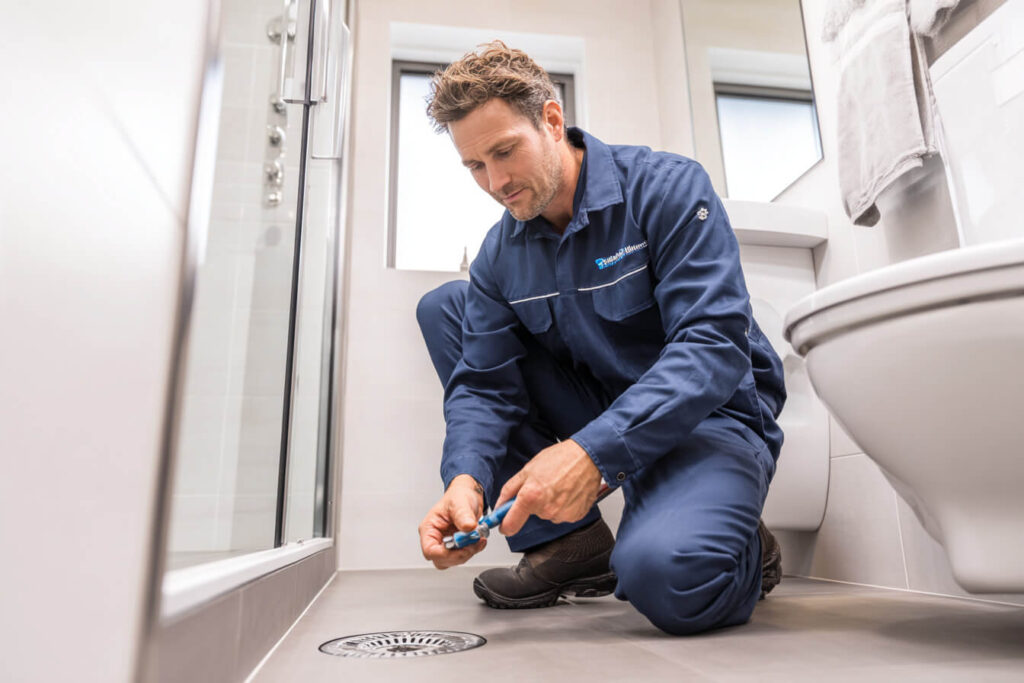
Blocked drains can quickly become a health and building risk, particularly in shared or commercial properties where wastewater affects multiple occupants.
Contact a 24-hour plumber if you notice:
Health authorities recommend prompt professional cleaning after any sewage contact with indoor areas. See Victorian guidance on sewage contamination for practical steps.
For sewer blockage responsibilities and support, see South East Water information on blockages.
We start by asking the right questions to understand where and how the problem is occurring. From there, we isolate the affected line and use CCTV inspections when needed to confirm the cause.
You receive clear explanations, before-and-after photos, and practical options to fix the issue properly and prevent it from returning.
If wastewater is not moving as it should, organise a professional assessment before the situation worsens.
Call 03 9636 0156 to speak with Blue Diamond Plumbing.
We will respond promptly, clear the blockage properly, and help Southbank residents, building managers and businesses get their drains flowing safely again today.
If your water bill has suddenly gone up, even though your daily routines haven’t changed, it’s a sign that something's not quite right. A surprise spike is often one of the first clues that water is escaping somewhere you can’t see.
In Middle Park, with its mix of older terraces and apartment buildings, small hidden leaks, running toilets, or ageing pipes can quietly waste thousands of litres between bills. It can weaken structures, disrupt operations, and lead to costly emergency plumbing.
Based on what we see across Middle Park homes and buildings, these are the issues that most often drive water bills up:
A running toilet is one of the most common reasons a water bill suddenly increases. A worn flapper or sticking inlet lets water trickle from the cistern into the bowl all day without any loud noise.
You might notice the toilet refilling on its own or ripples in the bowl. Left alone, that constant trickle can add far more usage than you’d expect over a single billing cycle.
A licensed plumber can inspect the mechanism and replace the faulty parts quickly.
A dripping tap might seem minor, but it can still nudge your water bill up by month end. Even a slow, steady drip adds up when it’s running day and night.
Common signs include:
This is especially common in older mixers and outdoor garden taps around Middle Park homes. Fixing a slow drip early keeps your water use stable and stops the tap from wearing out further.
Hidden pipe leaks are another common reason for sudden increases in water usage. When a pipe is leaking behind a wall, ceiling, or subfloor, the water often escapes quietly long before any stains or damage appear.
Common clues include:
These kinds of leaks are common in older Middle Park terraces and apartment buildings, where ageing pipework can sit out of sight for decades. Professional leak detection helps pinpoint the exact location without unnecessary cutting or disruption. Acting early also prevents bigger structural issues later.
Faults in irrigation systems can quietly waste water in the background, especially when no one is home to notice. Stuck solenoids, cracked sprinkler heads, or damaged pipes can run for hours without leaving obvious signs
Watch for:.
Seasonal adjustments help, but faults usually need a quick professional fix to stop ongoing water loss. Routine checks also prevent silent losses during work hours or holidays.
Temperature relief valves and ageing hot water tanks can release small but constant flows of water. These issues often slip under the radar because the system is usually tucked away outside or in a cupboard.
You might notice:
A qualified technician can test the valve, check the tank, and replace any worn components before the problem gets worse.
In multi-unit buildings, leaks in common areas such as risers, plant rooms, or shared pipework can push overall water usage even when individual units seem normal. Because these areas are out of sight, a leak can continue for weeks before anyone notices a change.
Signs include:
Coordinated checks by an owners corporation or building manager help isolate the source and prevent unnecessary costs being passed on to residents.

Sometimes a higher bill isn’t caused by a plumbing issue at all. Before assuming there’s a leak, it helps to rule out a few other common reasons why your usage might appear higher.
Stormwater from blocked gutters or split downpipes can enter the building and look like a plumbing leak, especially in Middle Park’s terrace-style homes. Overflow can travel along framing and show up in rooms far from the roof edge, so it’s worth checking the gutters before assuming there’s a pipe problem.
If usage seems unusually high, a quick meter check can help: take a reading when everything is off, wait a few hours, and check again. If the number hasn’t moved, your plumbing is likely fine and the issue may be with the reading or billing. Your water retailer can verify this for you.
Sometimes the increase is genuine rather than a fault. Guests, extra loads of laundry, more gardening, pool top-ups, or using an evaporative cooler can all lift water use without it being obvious. These usually cause gradual rises, not sudden spikes, but they’re still worth considering.
For broader water saving guidance, the Victorian Government offers practical tips to help households and businesses save water and lower bills.
If your water bill has suddenly gone up, it’s worth getting things checked before the next cycle.
Blue Diamond Plumbing can pinpoint the cause, explain your options clearly, and carry out any repairs with minimal disruption.
With decades of experience across Middle Park’s terrace homes, apartments, and small commercial buildings, our team knows the common issues and how to sort them quickly and efficiently.
Call 03 9636 0156 or book online.