ONLINE NOW - OPEN 24/7
Toilet blockages can become more common during certain times of the year due to seasonal changes.
In high-density areas like Southbank, where multiple properties rely on shared drainage systems, these conditions can place additional strain on pipes and increase the likelihood of blockages.
Here are the key factors to be aware of:
Temperature changes can affect how your plumbing system performs, especially in buildings with shared or ageing infrastructure.
In areas like Southbank, where many properties rely on vertical stacks and older underground drainage, even small shifts in temperature can cause pipes to expand or contract. This movement can create slight misalignments where debris is more likely to catch and build up.
Over time, these small disruptions can affect how efficiently waste moves through the system.
In winter when the temperature is colder, fats, oils, and grease tend to solidify much more quickly inside your pipes. As these materials harden, they stick to the inner walls and begin to catch other waste passing through, gradually forming larger blockages.
Over time, this buildup can restrict flow and lead to more stubborn clogs that are harder to clear with simple methods.
During spring’s heavy rainfall, large amounts of water enter the drainage system at the same time, reducing the capacity available for waste to flow through.
In connected systems like those found in Southbank, this can slow down how quickly waste clears, especially if there are existing minor blockages.
As a result, issues that may not have been noticeable before can start to surface, such as slow flushing or recurring toilet blockages.
Higher occupancy in residential towers puts a strain on the system, especially during summer when water usage increases.
In buildings like those in Southbank, where multiple units rely on the same drainage system, this added demand can make it harder for waste to clear efficiently.
It can also increase the likelihood of unsuitable items being flushed, particularly in high-traffic properties or short-term stays, leading to a higher risk of blockages.
During autumn, falling leaves and organic debris can accumulate around external drainage points such as grates and gullies, and can also lead to gutters becoming blocked by leaves.
As this buildup increases, it can restrict how water enters the system, causing it to pool or drain more slowly.
This added pressure can affect how efficiently your internal plumbing performs, increasing the likelihood of toilet blockages during periods of heavier rainfall.
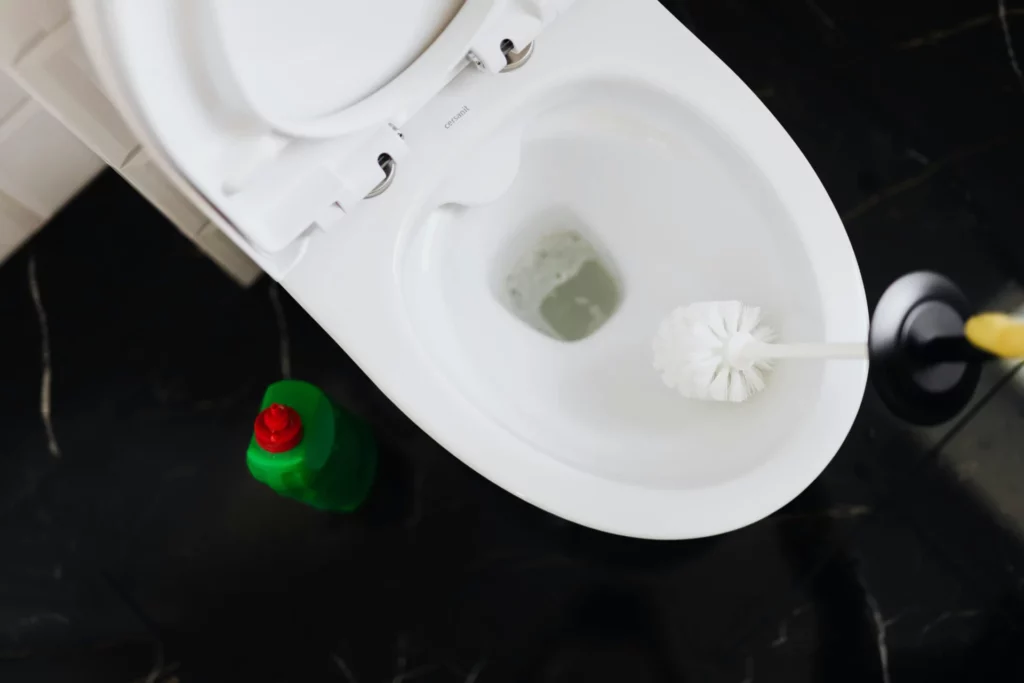
Some blockages start small but quickly become more serious.
Common signs to look out for include:
If you notice any of these, the blockage is likely deeper in the system and may require a professional plumber to investigate.
If your toilet blockage isn’t resolving or keeps returning, it may require professional clearing to address the underlying issue.
Blue Diamond Plumbing provides reliable toilet blockage services across Southbank, helping restore proper flow and prevent recurring problems.
Work is carried out in line with Plumbing Regulations 2018 and Victorian Building Authority standards, ensuring your system is handled safely and correctly.
Call 03 9636 0156 or get in touch online to arrange a service.