ONLINE NOW - OPEN 24/7
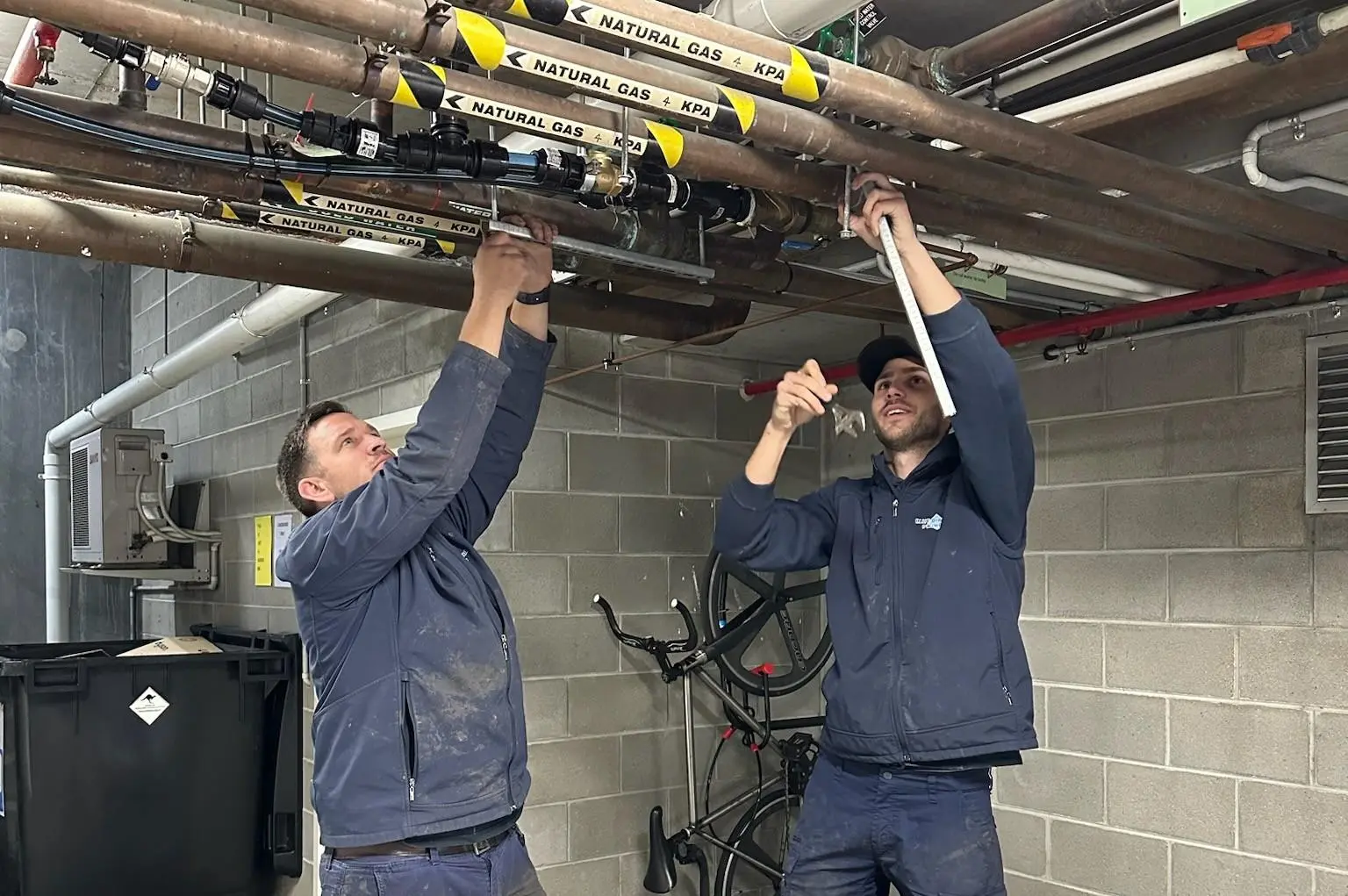
Plumbing problems usually give you warning signs before they turn into expensive repairs.
A blocked drain that keeps coming back.
A small roof leak during heavy rain.
Hot water that suddenly runs cold. Low water pressure. Overflowing gutters.
In South Melbourne, we see these issues all the time, especially in older homes, apartment buildings, strata properties, and commercial sites where plumbing systems have been patched, repaired, and added onto over the years.
Regular plumbing maintenance helps catch those problems early before they turn into burst pipes, water damage, emergency call-outs, or major disruption.
At Blue Diamond Plumbing, we’ve been helping South Melbourne property owners stay ahead of plumbing problems since 1984.
Different properties tend to develop different plumbing problems over time, but there are a few issues we see constantly across South Melbourne homes, apartment buildings, strata complexes, and commercial sites.
Blocked drains are one of the most common plumbing issues across South Melbourne homes and commercial properties. Kitchen waste, tree roots, grease build-up, old pipework, and stormwater debris can all cause drains to slow down or back up over time.
In older properties especially, it’s common to see recurring drain problems where the blockage gets cleared temporarily but the underlying issue is still there. Regular drain inspections and preventative maintenance can help spot damaged pipes, root intrusion, or drainage issues before they turn into major blockages or overflows.
Roof plumbing problems often show up during heavy rain, especially in older Melbourne homes, apartment buildings, and commercial properties with ageing gutters or stormwater systems.
Overflowing gutters, blocked downpipes, leaking roof flashings, and poor stormwater drainage can all lead to water damage if they’re not picked up early. In many cases, the warning signs start small — a minor leak, water staining, sagging gutters, or overflowing water during storms — before becoming a much larger repair job later on.

Hot water systems usually show signs of trouble before they fail completely. Fluctuating water temperature, rusty water, strange noises, low pressure, or inconsistent hot water are all common signs that a system may need servicing or repairs.
Regular maintenance can help extend the life of hot water systems and reduce the risk of sudden breakdowns, particularly in apartment buildings, hospitality venues, childcare centres, and other properties with high daily hot water usage.
Not all plumbing leaks are obvious. Some leaks can sit behind walls, under floors, inside ceilings, or underground for long periods before they’re discovered.
Higher water bills, damp smells, mould, bubbling paint, stained ceilings, or unexplained moisture are often signs that there may be a hidden plumbing leak somewhere on the property. Catching leaks early can help prevent structural damage, mould growth, and expensive repair work later on.
Many South Melbourne properties still contain older plumbing materials that naturally wear down over time. Corrosion, mineral build-up, old galvanised pipes, and years of repairs can all affect water flow and system reliability.
Low water pressure, discoloured water, noisy pipework, or recurring leaks are often signs that sections of pipework may need attention.
Older Melbourne homes and buildings often come with plumbing systems that have been modified repeatedly over decades. Renovations, extensions, ageing materials, tree root intrusion, and outdated drainage layouts can all create ongoing maintenance issues.
These properties usually benefit from more proactive plumbing maintenance because small problems can escalate quickly if they’re left unnoticed for too long.
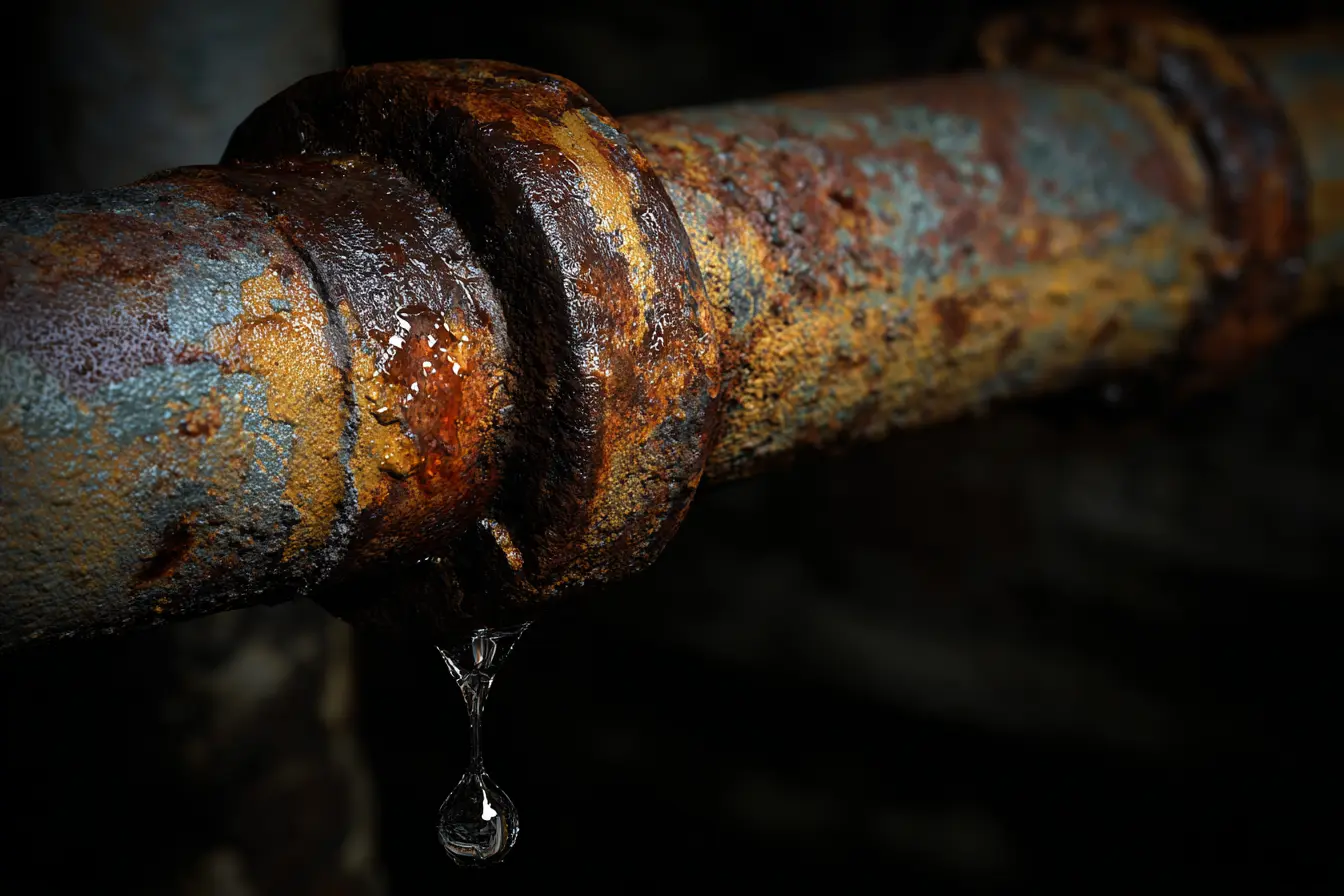
A lot of plumbing problems build up slowly over time. By the time something turns into a major leak, blocked drain, or emergency repair, there have usually been warning signs for a while.
If sinks, showers, floor wastes, or toilets are draining slowly — or the same drain keeps blocking repeatedly — there’s usually a bigger issue developing somewhere in the system.
Build-up inside pipes, tree root intrusion, damaged drainage lines, or stormwater problems can all cause recurring drainage issues that gradually get worse over time.
Water stains on ceilings or walls, bubbling paint, damp smells, mould growth, or unexplained moisture are often signs that a leak may be sitting hidden behind walls, under floors, or inside ceilings.
Small leaks can go unnoticed for months before obvious damage starts appearing around the property.
Sudden drops in water pressure, inconsistent flow, noisy pipes, or taps that start sputtering can all point to plumbing problems developing somewhere in the system.
In older South Melbourne properties, ageing pipes, corrosion, worn valves, and hidden leaks are all common causes of pressure issues.
Gurgling drains, banging pipes, sewer smells, constantly running water, or unexpected increases in water bills can all be signs that something isn’t working properly.
A lot of these issues start subtly before becoming much larger plumbing problems later on.
Heavy rain often exposes plumbing problems that aren’t obvious during dry weather. Overflowing gutters, leaking roofs, blocked stormwater drains, pooling water, or water entering the property are all signs that roof plumbing or drainage systems may need attention.
In Melbourne, stormwater and roof drainage issues are especially common in older homes, apartment buildings, and properties with ageing gutter systems.
A lot of major plumbing problems don’t happen suddenly. In many cases, there were smaller warning signs building up long before the emergency call-out happened.
Regular maintenance helps prevent:
Burst pipes, overflowing drains, major leaks, and sudden hot water failures are often linked to plumbing problems that have been developing quietly in the background for months.
Regular maintenance helps identify worn fittings, ageing pipework, drainage issues, and other early signs of trouble before they turn into urgent repairs.
Small leaks inside walls, ceilings, roofs, or underground pipework can go unnoticed for long periods before visible damage starts appearing around the property.
Catching leaks early can help prevent water damage, mould growth, damaged flooring, stained ceilings, and much larger repair costs later on.
A drain that keeps blocking is usually a sign that there’s a bigger issue somewhere in the system. Tree roots, pipe damage, grease build-up, and poor drainage can all gradually worsen over time if they’re not properly addressed.
Regular drain inspections and preventative maintenance can help reduce the risk of major blockages, overflows, and sewer problems.
Blocked gutters, damaged downpipes, roof plumbing issues, and poor stormwater drainage are some of the most common causes of water ingress during heavy Melbourne rain.
Routine maintenance helps identify roof plumbing problems earlier before they lead to internal water damage, flooding, or expensive repair work.
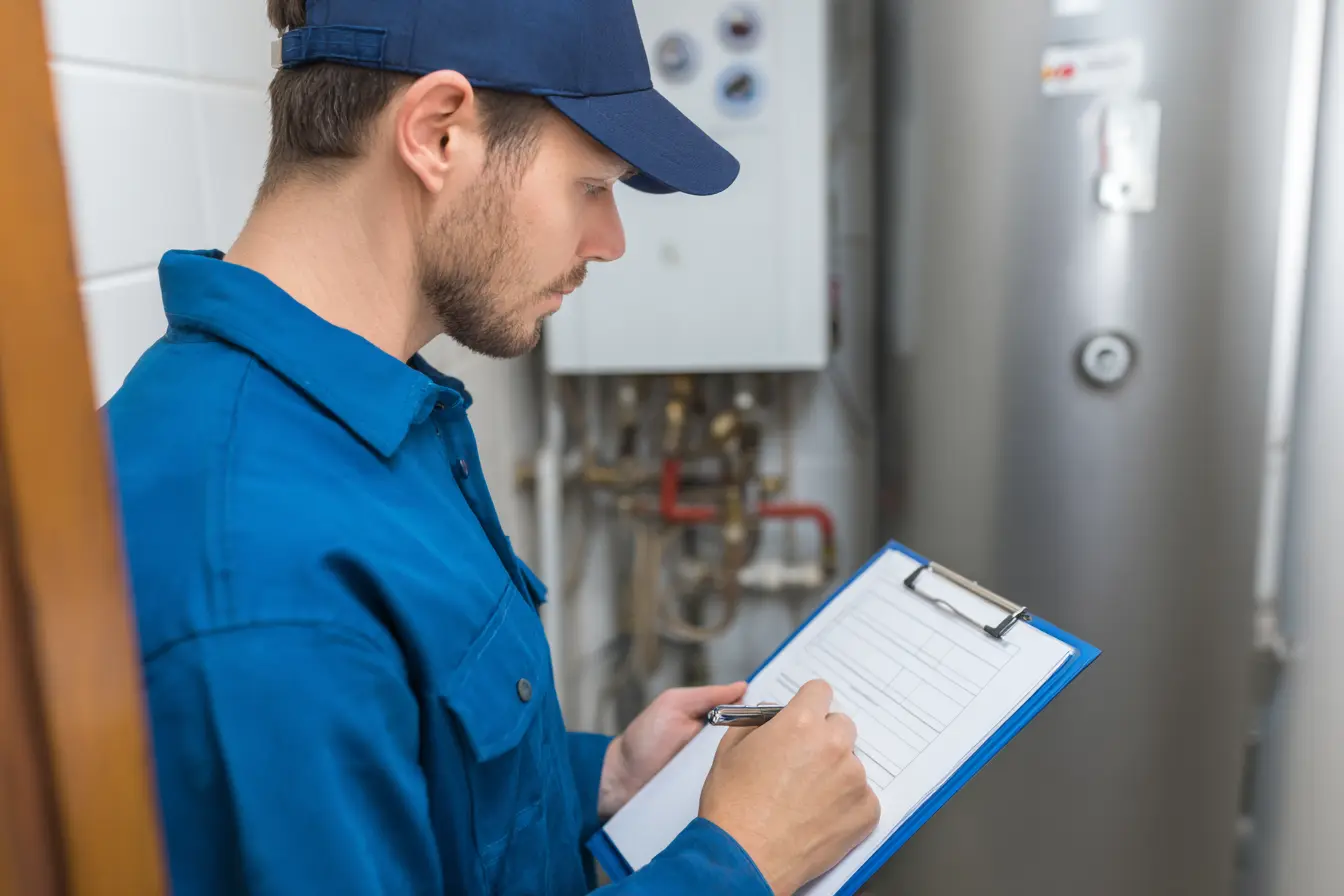
Plumbing maintenance isn’t the same for every property. What gets checked usually depends on the age of the building, the condition of the plumbing system, and the kinds of problems already starting to show up around the property.
Hot water systems are one of the most common sources of plumbing problems, especially in older homes, apartment buildings, hospitality venues, and high-use commercial properties. Regular servicing can help pick up worn valves, pressure issues, corrosion, leaks, and temperature inconsistencies before the system fails completely.
Recurring blocked drains are usually a sign that there’s a bigger issue developing somewhere in the system. Maintenance may involve checking slow drains, inspecting sewer lines, clearing build-up, and identifying problems like tree root intrusion, damaged pipes, or poor drainage before they cause major blockages or overflows.
Roof plumbing problems often go unnoticed until heavy rain exposes them. Gutters, downpipes, roof flashings, and stormwater drains may all need regular inspection to help prevent leaks, water damage, overflow issues, and drainage problems during Melbourne storms.
Small leaks can waste a surprising amount of water and often stay hidden for long periods before obvious damage appears. Plumbing maintenance may include checking for hidden leaks, pressure issues, unusually high water usage, damp areas, or early signs of pipe deterioration.
Over time, taps, toilets, valves, flexible hoses, exposed pipework, and fittings naturally wear down. Regular inspections can help identify corrosion, leaks, faulty valves, loose fittings, and ageing plumbing components before they turn into larger repair jobs.
For properties with gas appliances or gas plumbing systems, maintenance may also include checking gas connections, valves, regulators, and visible pipework for signs of wear, leaks, or safety concerns.
Commercial buildings, strata properties, childcare centres, and aged care facilities often require clearer maintenance records and ongoing reporting. Maintenance inspections may include documenting plumbing issues, identifying recommended repairs, and helping property managers keep track of ongoing plumbing maintenance across the property.
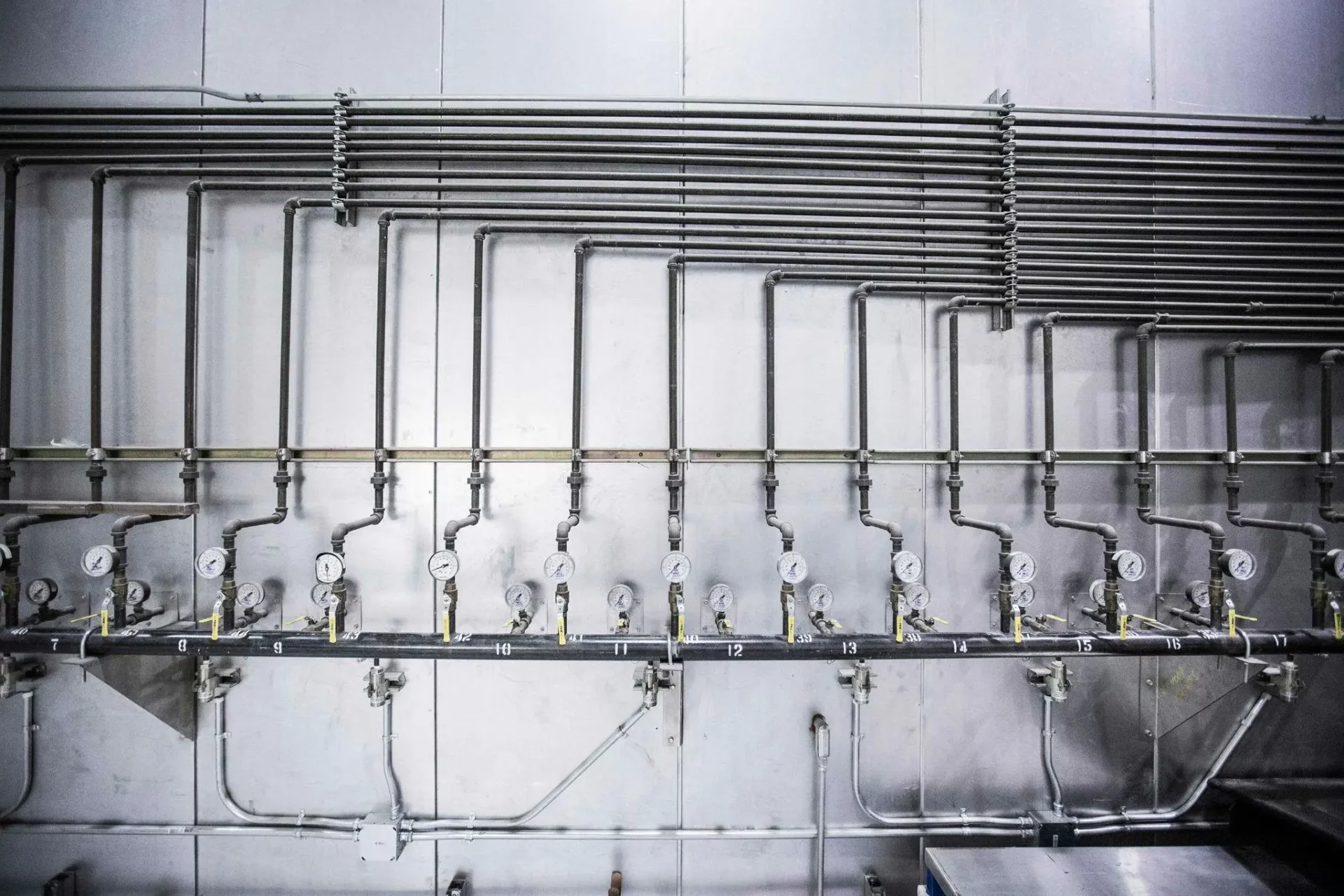
Different properties usually have different plumbing risks, usage levels, and maintenance priorities. What works for a residential home won’t always be enough for a strata complex, commercial site, or high-use facility.
A lot of South Melbourne homes are working with older plumbing systems that have been repaired, extended, or modified over many years. Blocked drains, roof leaks, ageing pipes, low water pressure, hot water issues, and stormwater drainage problems are all common in older properties.
For many homeowners, preventative plumbing maintenance is relatively affordable compared to the cost of major water damage or emergency repairs later on. Basic residential maintenance visits may range anywhere from a couple of hundred dollars for general inspections and minor servicing through to more if drainage issues, leaks, roof plumbing, or repairs are involved.
Apartment buildings and strata properties often deal with shared plumbing systems, recurring drain blockages, roof drainage issues, and plumbing problems that can affect multiple units at once.
Preventative maintenance helps identify problems early, reduce after-hours emergencies, and keep shared plumbing systems operating properly. Costs for strata maintenance can vary depending on the size of the building, the number of units, roof drainage systems, and whether ongoing reporting or scheduled servicing is required.
Commercial properties usually place much heavier demand on plumbing systems than residential homes. Restaurants, cafés, offices, retail spaces, gyms, and other commercial sites often deal with higher water usage, busier amenities, grease build-up, drainage strain, and more frequent wear and tear.
Commercial plumbing maintenance costs can vary quite a bit depending on the size of the property, how heavily the plumbing systems are used, and whether regular servicing is already in place. For many businesses, avoiding downtime and unexpected plumbing failures is often far more valuable than the maintenance itself.
Properties like childcare centres, aged care facilities, healthcare clinics, and schools often require a more proactive approach to plumbing maintenance because reliability, safety, and compliance are especially important.
Hot water temperature issues, blocked toilets, leaks, drainage problems, or plumbing failures can quickly disrupt daily operations and create health or safety risks in these environments.
For larger facilities, ongoing plumbing maintenance programs can range anywhere from a few hundred dollars per visit for smaller sites to several thousand dollars for larger properties with multiple amenities, commercial hot water systems, roof drainage systems, and ongoing compliance requirements.
The exact cost usually depends on the size of the facility, how heavily the plumbing systems are used, and how frequently servicing is needed.
Some properties can go years with very few plumbing issues, while others need more regular attention simply because of the age of the building, how heavily the plumbing systems are used, or the kinds of problems already developing in the background.
Older South Melbourne properties often have plumbing systems that have been repaired, extended, or modified multiple times over the years. Ageing pipes, corrosion, older drainage systems, roof plumbing wear, and previous patchwork repairs can all increase the likelihood of leaks, drainage problems, and hidden plumbing issues developing over time.
If the same plumbing issues keep returning — like blocked drains, overflowing gutters, roof leaks, low water pressure, or hot water problems — it’s usually a sign that the underlying issue hasn’t been fully resolved.
In these cases, more proactive maintenance can help identify larger problems before they turn into major repairs or emergency call-outs.
Apartment buildings, hospitality venues, gyms, schools, commercial properties, and other high-use sites usually place much heavier demand on plumbing systems than a standard residential home.
Shared drainage systems, commercial kitchens, busy amenities, and constant daily usage can all cause plumbing systems to wear down faster over time, especially in older buildings.
Childcare centres, aged care facilities, healthcare clinics, and other compliance-sensitive properties often require a more proactive maintenance approach because plumbing reliability and safety are especially important in these environments.
More regular inspections and servicing can help reduce disruptions, identify issues earlier, and keep plumbing systems operating safely for staff, residents, children, patients, and visitors.
Some plumbing problems are more than just an inconvenience. In homes, apartment buildings, commercial sites, childcare centres, and other high-use properties, certain plumbing issues can quickly turn into safety risks, property damage, or major operational problems if they’re left unresolved.
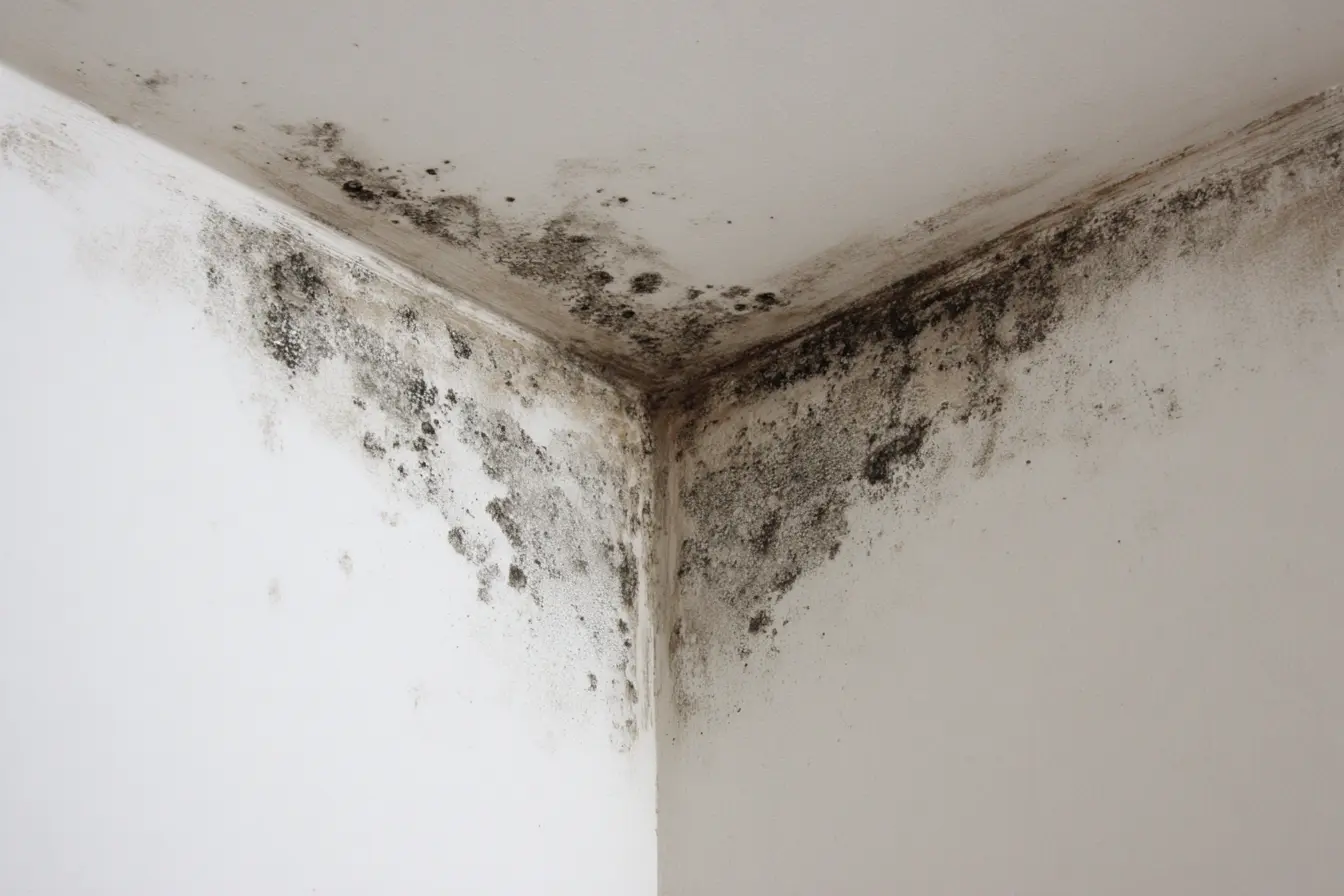
Leaks inside walls, ceilings, roofs, or underground pipework can quietly cause major damage before they’re even discovered. Over time, trapped moisture can lead to mould growth, damaged flooring, stained ceilings, electrical hazards, rotting materials, and unhealthy indoor conditions.
In older South Melbourne buildings especially, hidden leaks are often discovered long after the damage has already spread.
Hot water systems that aren’t working properly can create serious scalding risks, especially for children, elderly residents, patients, and other vulnerable occupants.
Faulty tempering valves, failing thermostatic mixing valves, and inconsistent hot water temperatures should never be ignored, particularly in childcare centres, aged care facilities, healthcare settings, and shared residential buildings.
In Victoria, heated water services must comply with temperature control requirements designed to help reduce the risk of burns and scalding injuries in bathrooms and personal hygiene areas. Further guidance is available from the Victorian Building Authority – Tempering Valve Requirements
Blocked drains and sewage overflows can quickly become hygiene and safety problems once wastewater starts backing up into kitchens, bathrooms, common areas, or commercial spaces.
In apartment buildings, hospitality venues, childcare centres, healthcare facilities, and commercial properties, drainage failures can disrupt daily operations and affect multiple occupants at once.
Some larger commercial properties may also require backflow prevention devices and scheduled testing to help protect drinking water systems from contamination risks. More information is available from the Victorian Building Authority – Backflow Prevention Work
During heavy Melbourne rain, blocked gutters, overflowing stormwater systems, leaking roofs, and poor drainage can all lead to flooding, internal water damage, slippery walkways, and damaged building materials.
Many stormwater problems develop gradually over time before becoming obvious during major downpours.
Gas leaks and damaged gas plumbing should always be treated seriously. The smell of gas, damaged gas lines, faulty appliances, or deteriorating gas fittings can all create immediate safety risks if they’re not checked properly.
In Victoria, gas fitting work must be carried out by a properly licensed or registered gas fitter. Further information is available from the Victorian Building Authority – Gasfitting Work
Regular inspections can help identify corrosion, wear, damaged fittings, or other gas safety issues before they become dangerous.
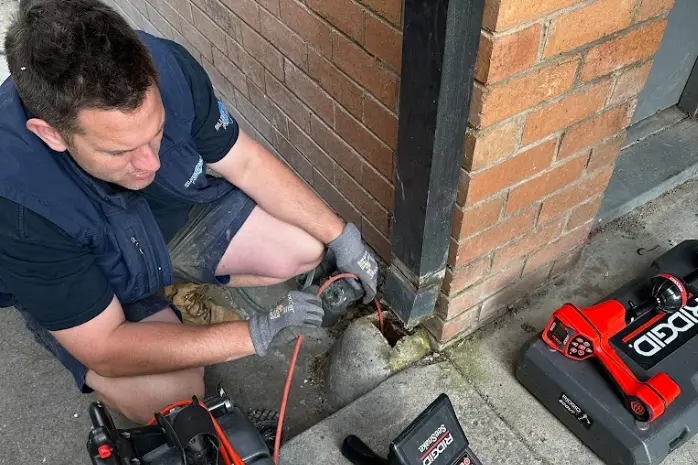
Not all plumbing maintenance is approached the same way. Some plumbers mainly focus on fixing urgent problems once something has already failed, while others take a more preventative approach aimed at identifying issues earlier and helping property owners avoid larger repairs later on.
A lot of South Melbourne homes and buildings are working with older plumbing systems that have been repaired, extended, renovated, or patched over many decades. Older drainage layouts, ageing pipes, roof plumbing issues, hidden leaks, and previous temporary repairs can all create problems that aren’t always obvious during a quick inspection.
Working on older properties usually requires experience identifying underlying issues rather than simply fixing the most visible symptom.
Some plumbing problems can be temporarily repaired multiple times before the actual cause is properly identified. Recurring blocked drains, recurring leaks, overflowing gutters, pressure issues, and repeated hot water problems are often signs that something larger is happening somewhere in the system.
A preventative maintenance approach focuses on identifying those issues earlier, monitoring ongoing problem areas, and reducing the likelihood of emergency plumbing failures later on.
Good plumbing maintenance should involve more than just carrying out repairs. Clear communication, practical recommendations, and transparent reporting can make a big difference for homeowners, strata managers, commercial property managers, and facility operators trying to stay ahead of ongoing plumbing issues.
Good maintenance reporting may include:
Plumbing, drainage, roofing, and gas fitting work should always be carried out by properly licensed and insured professionals. This is especially important in commercial buildings, strata properties, childcare centres, aged care facilities, and other higher-risk environments where plumbing failures can affect multiple occupants at once.
This may include:
For gas-related plumbing work in Victoria, licensing requirements are set by the Victorian Building Authority – Gasfitting Work
At Blue Diamond Plumbing, we’ve been helping South Melbourne property owners stay ahead of plumbing problems since 1984 with a practical, preventative approach focused on reliable long-term maintenance rather than short-term fixes.
Even newer homes can develop plumbing problems over time, especially with roof drainage, hot water systems, leaking fittings, or hidden water leaks. Preventative maintenance can help identify smaller issues early before they turn into more expensive repairs later on.
Yes. Low water pressure can sometimes point to hidden leaks, pipe corrosion, blocked pipework, faulty valves, ageing plumbing systems, or pressure issues elsewhere in the property.