ONLINE NOW - OPEN 24/7
Apartment plumbing is a shared system. Even when a leak looks small at the tap, the pressure, pipework, and hot water services behind it often connect to a broader network than a standalone home.
In many St Kilda flats, a constant drip can quietly push up usage, place extra strain on hot water systems, and lead to billing disputes between tenants, owners, and strata.
This guide explains what counts as a leaking tap, how it affects water bills in flats, and when to call a leaking tap plumber so you can act early and avoid avoidable costs.
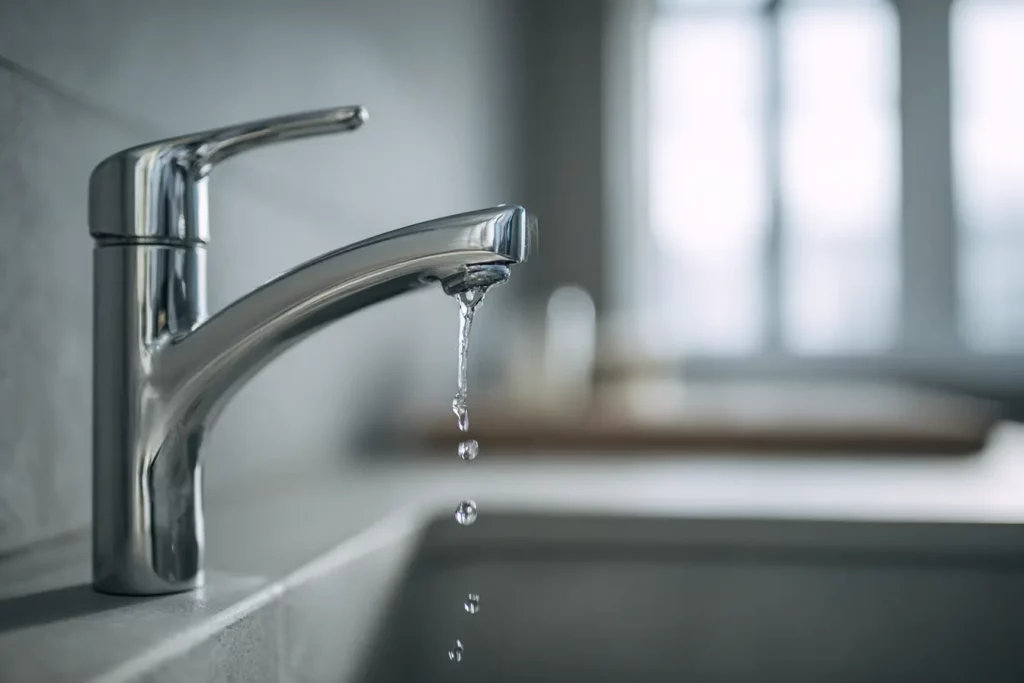
A leaking tap is not always a dramatic flow. Even a slow drip is still water usage.
Over weeks and months, that low-volume waste becomes measurable, billable consumption, despite how minor it looks at the sink.
A practical reference point from the Australian Government’s Your Home guide shows how quickly this adds up. One drip per second can waste more than 12,000 litres of water a year!
That figure surprises most apartment residents because the leak looks minor at the sink.
To put that into perspective:
| Leak Pattern | Approx. Waste Per Year |
| 1 drip per second | 12,000+ litres |
| 1 drip every 10 seconds | 1,200+ litres |
| 1 drip per minute | 200+ litres |
In apartment living, this type of continuous loss can accumulate long before anyone realises it is affecting overall usage.
Apartment plumbing is a shared system. Even when a leak looks small at the tap, the pressure, pipework, and hot water services behind it often connect to a broader network than in a standalone home.
This is one reason leaks can persist unnoticed in flats. A drip may feel like “someone else’s problem” in a rental, background noise from neighbours can mask running water, and people often assume strata will notice the issue.
In practice, strata usually rely on residents to report problems.
When a leaking tap goes unreported, water loss can continue quietly while usage accumulates across the system, increasing overall consumption before anyone realises there is an issue.
How a leaking tap affects your water bill depends on how the building is metered.
In flats with individual meters, the impact is direct. A leaking tap shows up as higher usage on that apartment’s bill. In some cases, residents may also notice increased hot water energy costs if the leak is on the hot side, along with faster wear on tempering valves or mixers.
In buildings with shared or strata water billing, the effect is spread across multiple units. One leaking tap can increase total building consumption, with costs passed on through strata fees or usage apportionment. This often creates tension when bills rise and it is unclear which apartment caused the increase.
Because billing structures vary between buildings, the same leak can lead to very different cost outcomes depending on how water use is measured and charged.
Many flats rely on central hot water systems, circulating lines, or booster pumps to maintain consistent water pressure and temperature across the building.
When a tap leaks constantly, even at a low rate, it can:
Over time, this extra demand can highlight pressure or balancing issues that affect other fixtures in the system.
This is why a leaking tap in an apartment can create flow-on costs beyond the water it wastes, particularly in buildings with shared hot water infrastructure.
St Kilda has a mix of older walk ups, renovated apartments, and multi-storey buildings. Several local factors can make leaking taps more frequent or more expensive to leave unchecked.
In this environment, what appears to be a minor tap leak can place additional strain on fittings and systems, increasing ongoing water and energy costs if it is not addressed early.
Who pays when a tap leaks is not always obvious in apartment living. Responsibility can vary depending on the building and tenancy arrangement.
In practice, it often depends on:
Delayed reporting can complicate things.
If a tenant notices a leak but does not report it, the owner may argue that some costs were avoidable. If the leak is connected to a building-wide pressure or system issue, strata may need to be involved.
A professional assessment helps create a clear record of what failed, where the issue sits, and what action is required, which can be important when costs are questioned or shared.
For added assurance, you can verify a plumber’s registration or licensing status through the Victorian Building Authority’s practitioner search.
Some leaks are obvious. Others show up as patterns in usage rather than visible water at the fixture.
Watch for:
In managed buildings, these patterns may also appear as repeat complaints from multiple units experiencing similar symptoms, which can indicate a broader issue rather than a single faulty tap.
In a flat, the goal is not just to stop a drip. It’s to confirm the leak is properly resolved and not part of a wider issue affecting the building.
When tap repairs are delayed, costs often compound:
A licensed plumber can help limit these risks by providing pressure testing at the point of use, diagnosing whether the issue sits within a single unit or the broader system, and completing repairs that comply with Victorian plumbing standards.
Clear reporting can also help when strata, insurers, or neighbouring residents are involved.
If you’ve ever dealt with an insurance claim or a neighbour complaint, you already know that early action is easier than retroactive explanations.
In flats, it’s not always obvious whether a leaking tap is isolated or part of a wider issue. Call a licensed plumber if the leak persists, multiple taps show similar symptoms, you suspect excessive pressure, or you’re unsure whether strata should be involved.
Blue Diamond Plumbing has serviced South Melbourne and bayside suburbs, including St Kilda, for more than 40 years. You deal directly with an experienced plumber who focuses on accurate diagnosis, clear communication, and proper documentation, so the issue is resolved and understood the first time.
For leaking tap issues in St Kilda flats, call 03 9636 0156 to arrange an assessment.