ONLINE NOW - OPEN 24/7
Coastal plumbing corrosion in Middle Park can develop when exposed metal pipes and fittings are regularly exposed to salt air and moisture.
Warning signs include discolouration, pitting, flaking and leaks. Regular checks and early assessment can help prevent deterioration from developing into a larger plumbing problem.
Key Takeaways:
Table of Contents:
Living close to the bay comes with a few extra considerations for your home’s plumbing. In Middle Park, coastal conditions can take their toll on exposed pipes and fittings over time, and the effects aren’t always obvious.
Here’s what Middle Park homeowners should know about coastal plumbing corrosion and when it may need attention.
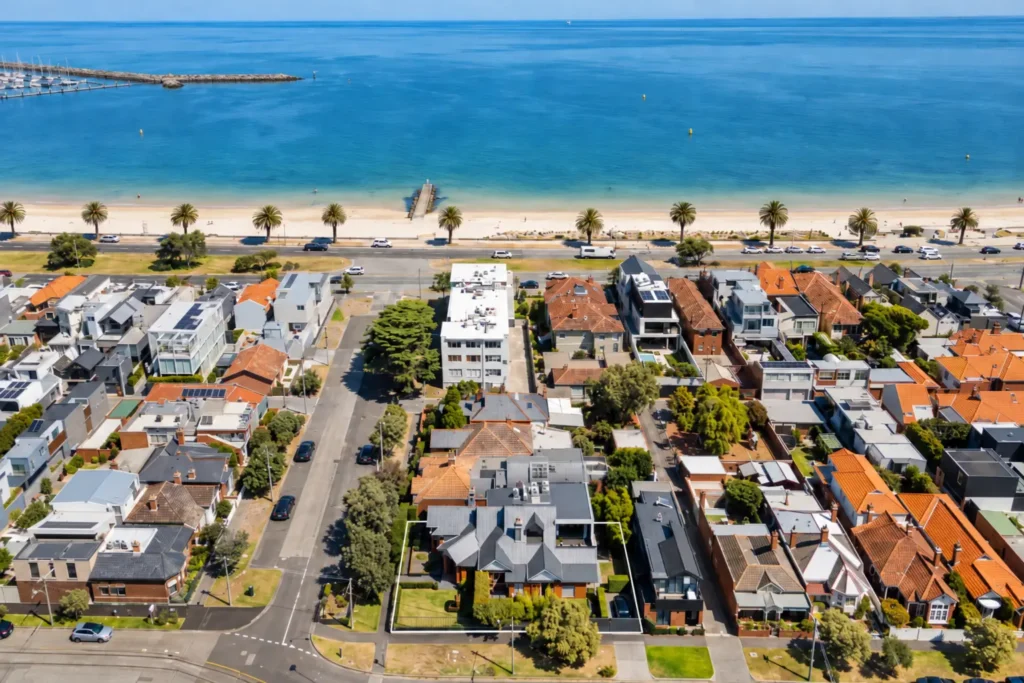
Middle Park’s location near Port Phillip Bay means homes are regularly exposed to coastal air and moisture. Over time, these conditions can contribute to corrosion in exposed plumbing, particularly where metal pipes, fittings and other components are open to the elements.
Salt carried in coastal air can settle on exposed metal plumbing and fittings. When combined with regular moisture, it can create conditions that speed up corrosion.
This doesn’t mean every exposed pipe or fitting in Middle Park will corrode at the same rate. The material, age, condition and level of exposure can all affect how quickly deterioration occurs.
Plumbing outside the home has less protection from coastal air, rain and changing weather conditions. External pipes, metal fittings and other exposed components can therefore be more vulnerable to corrosion than plumbing protected inside the building.
How much exposure a component receives also matters. Plumbing in open or unsheltered areas may be more affected than components protected by walls, roofing or other parts of the property.
Coastal plumbing corrosion can look different depending on the material and how far it has progressed. Some warning signs affect the surface, while others can point to deterioration of the pipe or fitting itself.
Corrosion doesn’t always look like obvious rust. Depending on the metal, you may notice discolouration, staining, deposits or changes to the surface of exposed pipes and fittings.
These changes don’t necessarily mean the component is about to fail, but they can be a reason to look at it more closely.
As corrosion progresses, the surface of a pipe or fitting may become rough, pitted or flaky rather than simply changing colour. This can indicate that corrosion is affecting the metal itself rather than just its appearance.
Check joints, connections and fittings closely, as corrosion may be easier to spot in these areas.
More advanced corrosion can eventually weaken plumbing components enough to contribute to leaks or failure. Signs may include moisture around a fitting, a small persistent leak or an obviously deteriorated section of pipework.
At this stage, the issue is no longer just cosmetic. The affected plumbing should be assessed to determine whether it can be repaired or needs replacement.
You can’t avoid Middle Park’s coastal conditions, but you can keep an eye on exposed plumbing and address deterioration early. Dealing with corrosion early can reduce the risk of it developing into a larger plumbing problem.
Keep an eye on plumbing that is exposed to the weather, particularly pipes, fittings, joints and connections. Picking up changes early gives you a chance to deal with corrosion before it contributes to a leak or failure.
If exposed plumbing is showing signs of corrosion, have it assessed by an appropriately licensed or registered plumber to determine whether the affected pipe, fitting or connection needs attention.
Where corrosion has significantly affected a pipe, fitting or connection, repair or replacement may be needed to prevent the problem from progressing. What is appropriate will depend on the component, the extent of the deterioration and the condition of the surrounding plumbing.
Early corrosion doesn’t always mean a pipe or fitting needs replacing. What matters is how far the corrosion has progressed and whether it’s affecting the condition of the plumbing.
If you’ve spotted corrosion around your Middle Park property, we can check it and let you know whether it needs attention.
No. Older plumbing may already have age and wear working against it, but coastal exposure isn’t limited to older properties. The condition, material, location and level of exposure of the plumbing all matter, so newer components can also develop corrosion over time.
Coastal conditions can contribute to corrosion on exposed metal components around a hot water system. But salt air isn’t the only possible cause. Age, leaks and other conditions can also contribute to deterioration.
No. Corrosion can be present before a pipe or fitting starts leaking. A leak can also contribute to deterioration, so moisture around plumbing shouldn’t automatically be put down to coastal exposure. If you’re unsure where the moisture is coming from, it’s worth having the source checked.
There isn’t a set inspection interval that suits every property. The age and condition of the plumbing, the materials used and how exposed it is to coastal conditions all make a difference.
Exposed pipes and fittings can also be checked as part of routine plumbing maintenance, particularly where corrosion has been found before.