ONLINE NOW - OPEN 24/7
Continuous flow systems heat water as it is needed, while storage systems keep heated water in a tank ready for use. For Southbank homes, the right choice depends on household hot water demand, available installation space, existing plumbing and energy supply, and how the system will be used.
Key Takeaways:
Table of Contents:
Replacing a hot water system can mean deciding whether to stay with the same type of system or switch to something different. Continuous flow and storage systems both provide reliable hot water, but they do it in different ways.
For Southbank homeowners, the right choice depends on the property and how hot water is used day to day.
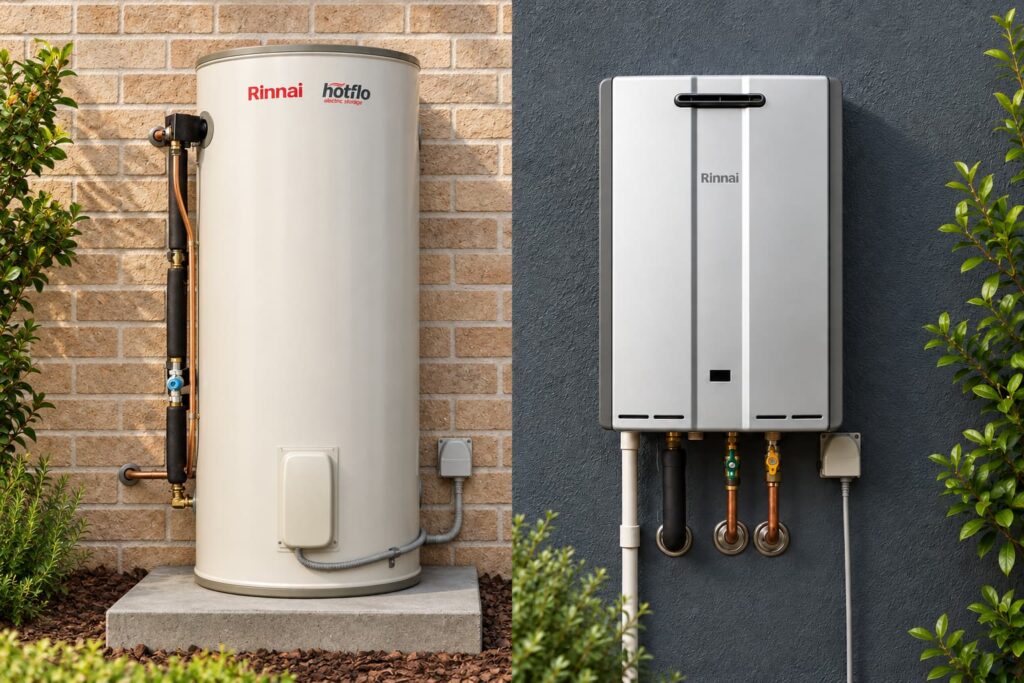
Continuous flow and storage systems differ mainly in how they heat and supply hot water. A continuous flow system heats water as it is needed, while a storage system heats water and keeps it in a tank ready for use.
A continuous flow system heats water when a hot tap is turned on rather than storing a supply of heated water in a tank. The system still needs to be correctly sized for the amount of hot water the household may use at one time.
A storage system heats water and holds it in an insulated tank until it is needed. The amount of usable hot water available depends on the tank's capacity and the system's recovery rate, including when and how quickly it reheats water.
The way a household uses hot water can affect which system is more suitable. The amount of hot water used and how often several fixtures need hot water at the same time are both relevant.
A storage system can supply hot water from the tank, but its usable supply may be depleted if demand exceeds the system's recovery rate. If that happens, the household may need to wait while the system reheats, so the tank capacity and recovery rate need to suit typical hot water use.
A continuous flow system doesn't rely on a stored supply, but it still has limits on how much hot water it can deliver at once. The system needs to be sized to handle the household's expected demand, particularly when hot water may be used at several fixtures at the same time.
The space available for a hot water system can affect which options are practical, especially when replacing an existing system. Changing from storage to continuous flow, or the other way around, may also involve different installation requirements.
Without a storage tank, continuous flow systems can take up less space. However, they still need a suitable installation location and the required gas or electrical supply, depending on the system.
Storage systems need enough room for the tank and a suitable installation location. When replacing an existing system, the available space and current plumbing and energy connections can affect the size and type of system that can be installed.
The way each system heats water affects when energy is used. Continuous flow systems heat water when it is needed, while storage systems heat water and hold it in an insulated tank ready for use.
Because water is heated on demand, continuous flow systems avoid the heat loss associated with keeping a tank of water hot. Actual energy use still depends on the system, energy source and how much hot water the household uses.
Storage tanks are insulated, but some heat can still be lost while hot water is being stored. How much energy a storage system uses also depends on factors such as the system, tank size, energy source and household hot water use.
Neither system is right for every home. The better option depends on your hot water use, available space and what the existing plumbing and energy supply can support.
If you're replacing a hot water system in Southbank, we can assess your existing setup and help you choose an option that suits your home.
Yes. “Continuous flow” and “instantaneous” are commonly used to describe systems that heat water as it is needed rather than storing heated water in a tank.
In some properties, yes, but changing system type may require changes to the existing plumbing, gas or electrical supply, or installation location. The existing setup needs to be assessed before deciding whether the change is practical.
Potentially, but suitability depends on the apartment's existing hot water setup, available installation location and energy supply. In some buildings, there may also be building or owners corporation requirements that affect what can be installed.
Not necessarily. Continuous flow means the system heats water as it is needed, but the hot water still needs to travel through the pipework to the tap. How quickly it arrives can depend on the distance between the system and the tap.
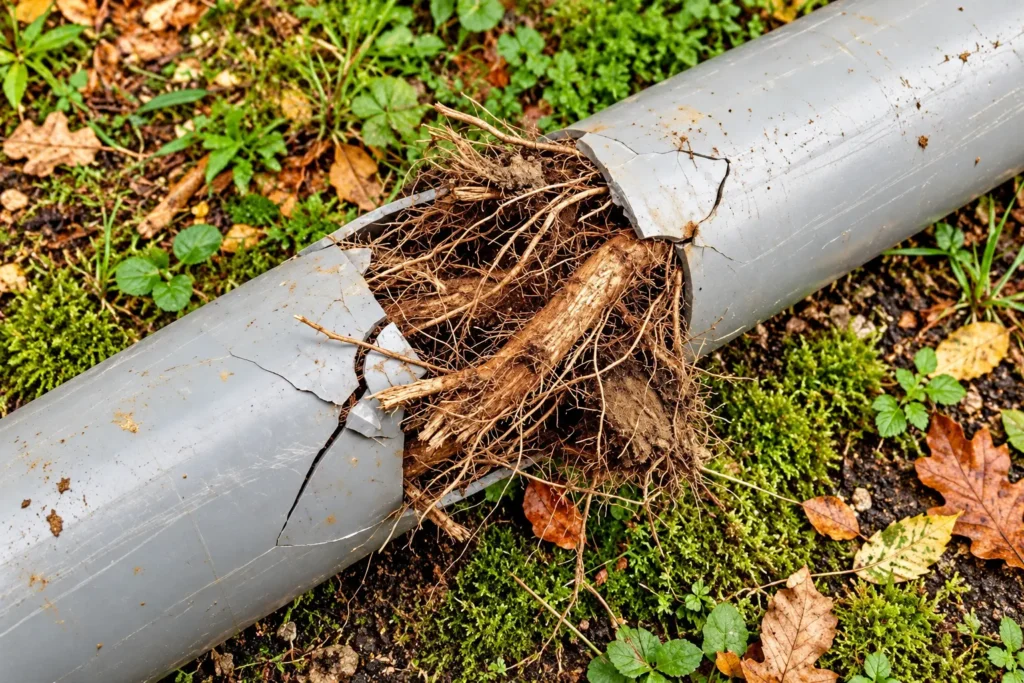
Tree roots can enter sewer pipes through cracks, damaged sections or deteriorated joints, where continued growth can restrict flow and contribute to recurring blockages.
Slow drains, gurgling and multiple affected fixtures can point to a sewer-line restriction, while a CCTV drain inspection can show whether roots are involved and assess the condition of the pipe.
Clearing the roots may restore flow, but damaged pipework may also need repair or replacement.
Key Takeaways:
Table of Contents:
Tree roots can cause ongoing problems when they find their way into sewer pipes. In South Yarra, the problem may not be obvious until a drain starts blocking or the same blockage keeps coming back.
If tree roots are suspected, it’s worth finding out what’s happening inside the pipe rather than just clearing the blockage again.
Tree roots and sewer pipes can exist near each other without causing a problem. Root intrusion becomes an issue when the condition of the pipe gives roots a way inside.
Cracked or damaged sewer pipes can leave openings for nearby roots to grow through. The damage may already be present before the roots enter, rather than the roots being the original cause of the problem.
Pipe joints can also become vulnerable as they deteriorate or separate over time. Roots that reach these openings can grow into the pipe and continue developing inside it.
Tree root intrusion doesn’t have one unmistakable symptom. The signs can look like other sewer or drainage problems, so the pattern of the problem can be more useful than any single symptom.
A sewer pipe affected by root growth may have less space for wastewater to pass through. This can cause slow drainage or contribute to blockages that return after the drain has previously been cleared.
Gurgling from toilets or drains can occur when wastewater and air are struggling to move normally through the drainage system. It can be a sign of a restriction further along the sewer line, including one caused by root growth.
When several fixtures are draining poorly at the same time, the problem may be further along the shared sewer line rather than at one individual fixture. Tree roots are one possible cause, but an inspection is needed to identify what is actually restricting the pipe.
A CCTV drain inspection lets a plumber look inside the sewer pipe instead of relying on symptoms alone. This helps establish if tree roots are involved and where the affected section of the pipe is located.
A drain camera can identify visible root growth in accessible sections of the sewer line and show where it is affecting the pipe. If roots or another obstruction block the camera’s view, they may need to be cleared before the pipe wall and full affected section can be assessed.
The inspection can also reveal visible cracks, damaged joints or other defects around the affected section. Removing the roots may clear the immediate blockage, while damage to the pipe may need separate attention.
What happens next depends on the extent of the root growth and the condition of the sewer pipe. The roots may need to be cleared, but damage that allowed them into the pipe may also need attention.
Roots obstructing the sewer line can be cut or cleared to reopen the pipe and allow wastewater to flow properly again. The method used will depend on the extent of the intrusion and the condition of the pipe.
If roots have entered through a damaged section or failed joint, clearing them does not repair that opening. Depending on the extent and location of the damage, the affected pipework may also need to be repaired or replaced.
Tree root blockages can return when the opening that allowed the roots into the sewer pipe is still there. Clearing the roots can restore flow, but it doesn’t necessarily repair a crack, damaged joint or other defect in the pipe.
If the entry point remains, roots may grow into the pipe again over time. Whether the pipe needs further repair will depend on what caused the root intrusion and how badly the pipe has been damaged.
Removing tree roots from a sewer pipe can get wastewater flowing again, but the next step depends on the condition of the pipe. If there is a crack, failed joint or damaged section, that problem may still need to be dealt with.
For South Yarra homeowners dealing with recurring sewer blockages, a CCTV inspection can show what is happening inside the pipe and whether root clearing alone is likely to be enough.
If you suspect tree roots are affecting your sewer line, we can inspect the pipe, find out what’s causing the problem and explain your options.
Tree roots are more likely to enter where there is already an opening, such as a crack, failed joint or damaged section of pipe. Finding roots inside a sewer line can therefore also point to a problem with the pipe itself.
In some cases, roots can be cleared from inside the sewer line without excavating the pipe. Whether excavation is needed depends on the condition of the pipe and whether any damaged sections also require repair or replacement.
In South Yarra, responsibility depends on which side of the property connection point the affected pipe is on.
South East Water maintains the sewer up to that connection point, often near the property boundary, while pipes and fittings on the property side are generally the owner’s responsibility. If the location is unclear, a licensed plumber can determine where the blockage is.
Not necessarily. Roots inside a sewer pipe don’t automatically mean the tree needs to be removed. The first step is to establish where the roots have entered and assess the condition of the affected pipe.
Coastal plumbing corrosion in Middle Park can develop when exposed metal pipes and fittings are regularly exposed to salt air and moisture.
Warning signs include discolouration, pitting, flaking and leaks. Regular checks and early assessment can help prevent deterioration from developing into a larger plumbing problem.
Key Takeaways:
Table of Contents:
Living close to the bay comes with a few extra considerations for your home’s plumbing. In Middle Park, coastal conditions can take their toll on exposed pipes and fittings over time, and the effects aren’t always obvious.
Here’s what Middle Park homeowners should know about coastal plumbing corrosion and when it may need attention.
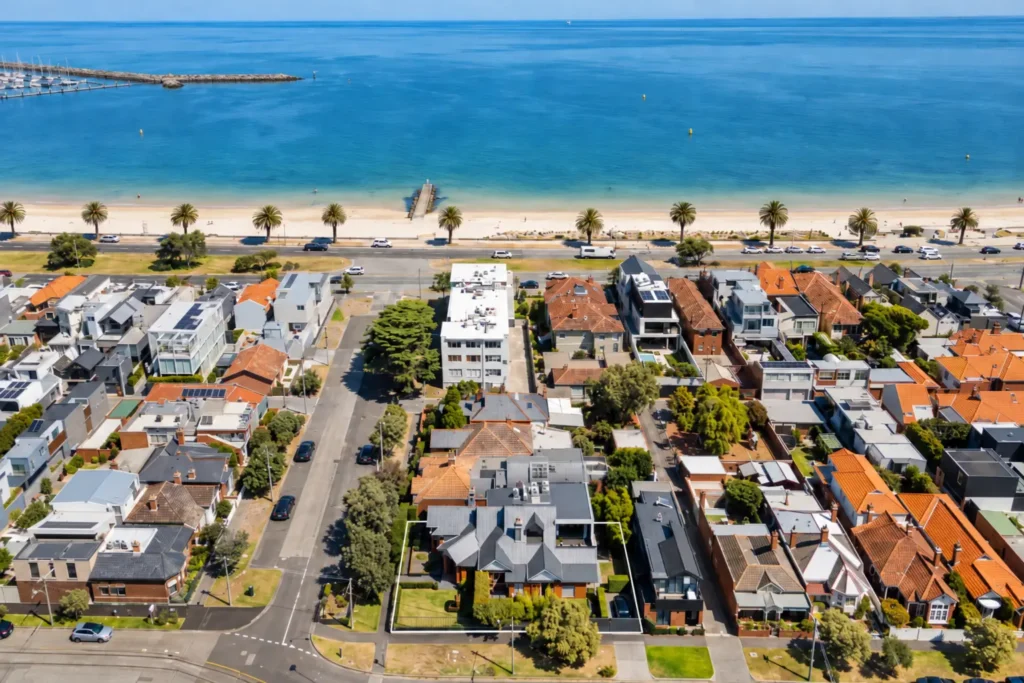
Middle Park’s location near Port Phillip Bay means homes are regularly exposed to coastal air and moisture. Over time, these conditions can contribute to corrosion in exposed plumbing, particularly where metal pipes, fittings and other components are open to the elements.
Salt carried in coastal air can settle on exposed metal plumbing and fittings. When combined with regular moisture, it can create conditions that speed up corrosion.
This doesn’t mean every exposed pipe or fitting in Middle Park will corrode at the same rate. The material, age, condition and level of exposure can all affect how quickly deterioration occurs.
Plumbing outside the home has less protection from coastal air, rain and changing weather conditions. External pipes, metal fittings and other exposed components can therefore be more vulnerable to corrosion than plumbing protected inside the building.
How much exposure a component receives also matters. Plumbing in open or unsheltered areas may be more affected than components protected by walls, roofing or other parts of the property.
Coastal plumbing corrosion can look different depending on the material and how far it has progressed. Some warning signs affect the surface, while others can point to deterioration of the pipe or fitting itself.
Corrosion doesn’t always look like obvious rust. Depending on the metal, you may notice discolouration, staining, deposits or changes to the surface of exposed pipes and fittings.
These changes don’t necessarily mean the component is about to fail, but they can be a reason to look at it more closely.
As corrosion progresses, the surface of a pipe or fitting may become rough, pitted or flaky rather than simply changing colour. This can indicate that corrosion is affecting the metal itself rather than just its appearance.
Check joints, connections and fittings closely, as corrosion may be easier to spot in these areas.
More advanced corrosion can eventually weaken plumbing components enough to contribute to leaks or failure. Signs may include moisture around a fitting, a small persistent leak or an obviously deteriorated section of pipework.
At this stage, the issue is no longer just cosmetic. The affected plumbing should be assessed to determine whether it can be repaired or needs replacement.
You can’t avoid Middle Park’s coastal conditions, but you can keep an eye on exposed plumbing and address deterioration early. Dealing with corrosion early can reduce the risk of it developing into a larger plumbing problem.
Keep an eye on plumbing that is exposed to the weather, particularly pipes, fittings, joints and connections. Picking up changes early gives you a chance to deal with corrosion before it contributes to a leak or failure.
If exposed plumbing is showing signs of corrosion, have it assessed by an appropriately licensed or registered plumber to determine whether the affected pipe, fitting or connection needs attention.
Where corrosion has significantly affected a pipe, fitting or connection, repair or replacement may be needed to prevent the problem from progressing. What is appropriate will depend on the component, the extent of the deterioration and the condition of the surrounding plumbing.
Early corrosion doesn’t always mean a pipe or fitting needs replacing. What matters is how far the corrosion has progressed and whether it’s affecting the condition of the plumbing.
If you’ve spotted corrosion around your Middle Park property, we can check it and let you know whether it needs attention.
No. Older plumbing may already have age and wear working against it, but coastal exposure isn’t limited to older properties. The condition, material, location and level of exposure of the plumbing all matter, so newer components can also develop corrosion over time.
Coastal conditions can contribute to corrosion on exposed metal components around a hot water system. But salt air isn’t the only possible cause. Age, leaks and other conditions can also contribute to deterioration.
No. Corrosion can be present before a pipe or fitting starts leaking. A leak can also contribute to deterioration, so moisture around plumbing shouldn’t automatically be put down to coastal exposure. If you’re unsure where the moisture is coming from, it’s worth having the source checked.
There isn’t a set inspection interval that suits every property. The age and condition of the plumbing, the materials used and how exposed it is to coastal conditions all make a difference.
Exposed pipes and fittings can also be checked as part of routine plumbing maintenance, particularly where corrosion has been found before.
If you're looking for a licensed plumber in Albert Park, it helps to understand when Victorian law requires plumbing work to be carried out by a licensed plumbing practitioner.
In Victoria, regulated plumbing work includes water supply, sanitary, drainage and gasfitting work.
Key Takeaways:
Table of Contents:
Installing or replacing a hot water system may involve water supply work.
According to the Building and Plumbing Commission (BPC), water supply work is the construction, installation, replacement, repair, alteration, maintenance, testing and commissioning of heated and cold water services.
And since installing or replacing hot water systems involve water supply work, it must be carried out by a plumbing practitioner who is:
If your plumbing work involves sanitary work, it's best to hire a licensed plumber. Generally, this means work on the plumbing that carries wastewater from fixtures like your toilets, sinks, basins and showers.
Under the Plumbing Regulations 2018, the Building and Plumbing Commission (BPC) defines sanitary work as the:
of any part of an above-ground sanitary plumbing system that connects sanitary fixtures and appliances to a holding tank, wastewater treatment system or a below-ground sanitary drainage system.
So, if you're installing, replacing, repairing or maintaining the plumbing that carries wastewater away from your home's sanitary fixtures, the work will generally fall under the BPC's sanitary work class.
The BPC also states that sanitary work doesn't include water supply work, drainage work, or installing a bath or shower base (other than connecting the waste outlet).
Not every blocked drain involves drainage work. Some blockages can be cleared without repairing the drainage system.
However, if fixing the problem requires repairing, replacing, altering or relining any part of the underground drainage system, the work will generally fall under the BPC's drainage work class.
Drainage work covers more than just clearing blockages. It includes the construction, installation, replacement, repair, alteration, maintenance, relining, testing or commissioning of:
Most homeowners come across drainage work when underground drains need to be installed, repaired or replaced, or when stormwater or wastewater drainage systems need to be connected or altered.
Drainage work doesn't include subsoil drains used solely for collecting subsoil water, stormwater pits, grated channels, below-ground storage or retention tanks, or excavation work using trenches, trenchless technology or directional boring.
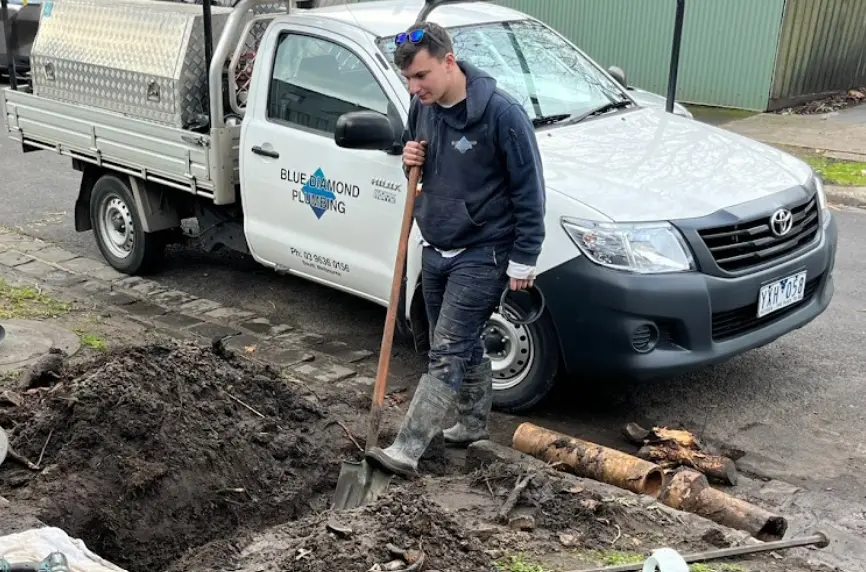
If your plumbing project involves gas pipes or a gas appliance, it's generally considered gasfitting work. Because gas work carries significant safety risks, it's important to hire a licensed gasfitter.
Gasfitting work includes the construction, installation, replacement, repair, alteration, maintenance, testing or commissioning of any pipe, appliance, flue, fitting, apparatus, control or other item involved with the supply or use of gas that is fitted downstream of the gas supply point.
It may also include:
Gasfitting work doesn't include:
Not every plumbing job falls under the same class, and it's not always obvious where the line is. A simple repair can sometimes involve regulated plumbing work depending on what's being repaired, replaced or altered.
If you need a licensed plumber in Albert Park, contact Blue Diamond Plumbing.
We'll explain what's required, answer your questions and ensure your plumbing work is completed in accordance with Victoria's plumbing requirements.
It depends. Replacing a tap may involve regulated plumbing work, depending on the scope of the job. If you're unsure, it's best to check with a licensed plumbing practitioner.
You can search the Building and Plumbing Commission's public register to check whether a plumbing practitioner is registered or licensed, what classes of work they're accredited for, and whether any conditions apply.
A registered plumber can carry out plumbing work in the classes they're registered for, while a licensed plumber has additional responsibilities, including supervising other plumbers in those classes and issuing compliance certificates where required.
Yes. A plumber may be registered or licensed in one, multiple or all plumbing classes, provided they meet the registration or licensing requirements for each class. They can only carry out work in the classes they are registered or licensed for.
Older homes in Middle Park are more likely to experience plumbing problems caused by ageing infrastructure, coastal exposure and decades of renovations. Common issues include low water pressure, tree root intrusion, roof plumbing corrosion and ageing stormwater systems.
Key Takeaways:
Table of Contents:
If you're looking for a reliable Middle Park plumber, it's important to understand the plumbing challenges commonly found in the suburb's older homes.
Many older homes in established Melbourne suburbs, including Middle Park, still have ageing
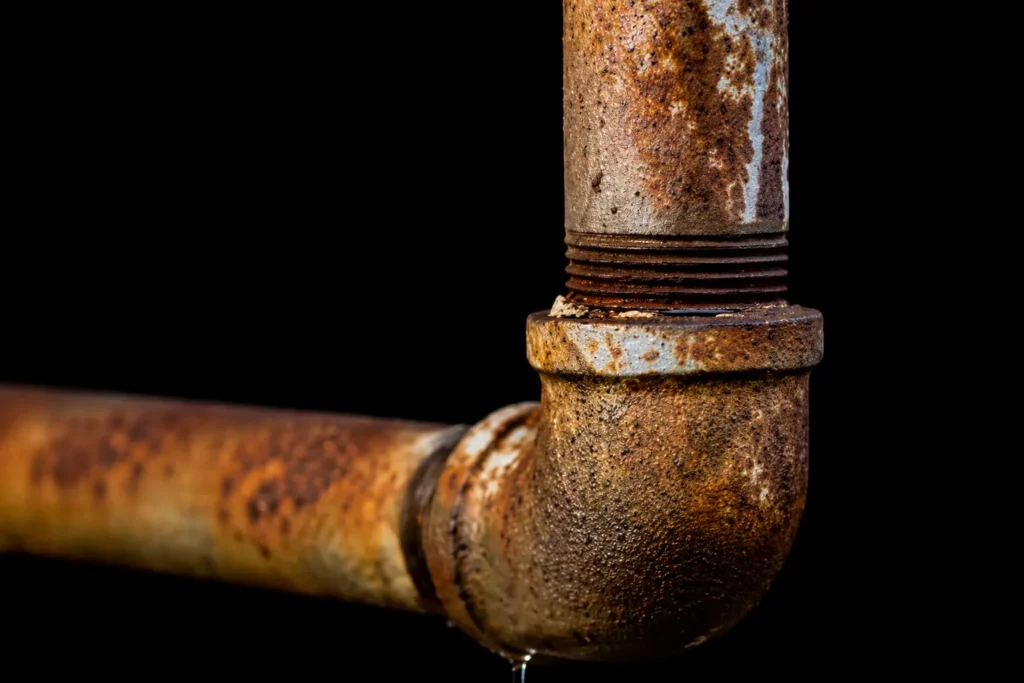
galvanised pipes. While these pipes were considered durable when they were first installed, decades of internal corrosion can gradually restrict the flow of water.
As rust and mineral deposits build up inside the pipe, the internal diameter becomes smaller, making it harder for water to reach taps, showers and appliances at full pressure.
Homeowners may notice reduced water pressure, inconsistent water flow between fixtures or discoloured water, particularly if the plumbing hasn't been used for several hours. Over time, corrosion can also weaken the pipe walls, increasing the likelihood of leaks and other plumbing issues.
Middle Park's iconic tree-lined streets are one of the suburb's defining features, but mature trees can also create plumbing challenges for older homes.
As tree roots search for moisture, they can enter tiny cracks or joints in ageing clay sewer pipes. Once inside, the roots continue to grow, restricting wastewater flow and increasing the risk of recurring blockages.
Homeowners may notice slow-draining sinks, gurgling toilets, unpleasant odours or drains that block repeatedly. Over time, tree roots can place pressure on ageing pipes, causing cracks, misaligned joints or even pipe collapse if the problem is left unresolved.
Middle Park's proximity to Port Phillip Bay means homes are regularly exposed to salt-laden air.
While this coastal environment is part of the suburb's appeal, it can also accelerate the corrosion of exposed metal roofing components, including gutters, downpipes, flashings and roof plumbing.
Corrosion can weaken these components, increasing the likelihood of rust, leaks and water damage, particularly during heavy rainfall. Even well-maintained roof plumbing may require more frequent inspections in coastal areas compared to homes further inland.
Many older homes in Middle Park were built when rainfall patterns, hard surfaces and drainage standards were different from today.
As a result, some older stormwater systems may struggle to cope with heavy downpours, particularly if they're partially blocked or haven't been upgraded over time.
Homeowners may notice overflowing gutters, pooling water around the property or slow-draining stormwater pits during periods of intense rain.
Older homes in Middle Park have often been renovated or extended over the decades.
While many upgrades improve the property, plumbing work completed at different times can result in a mix of old and new pipe materials, non-standard layouts or hidden defects behind walls and under floors.
It's not uncommon to find galvanised pipes connected to copper, ageing drainage connected to newer pipework, or plumbing that no longer reflects the home's original layout.
These hidden issues can make future repairs more complex and may contribute to recurring leaks, drainage problems or inconsistent water pressure.
Owning an older home in Middle Park comes with a unique set of plumbing considerations.
Here are some practical steps you can take to keep your plumbing system in good condition. But a qualified Middle Park plumber can also help identify ageing infrastructure before it develops into a more costly repair.
If your home still has galvanised water pipes or older clay sewer pipes, knowing their condition can help you plan for future maintenance or replacement. Knowing what materials are in your plumbing system also makes it easier to identify the cause of recurring issues.
A gradual drop in water pressure isn't always normal. If taps, showers or appliances no longer perform as they once did, it could indicate corrosion inside ageing pipes or another plumbing issue that should be investigated.
Slow-draining sinks, gurgling toilets or recurring blockages can be early signs of tree roots entering older sewer pipes. Addressing these symptoms early may help prevent more extensive damage to underground pipework.
Leaves, dirt and other debris can restrict the flow of rainwater through gutters, downpipes and stormwater drains. Keeping these systems clear, particularly before periods of heavy rainfall, can reduce the risk of overflows and water damage.
If your home is exposed to coastal conditions, periodically check gutters, downpipes and other metal roof plumbing for rust, loose sections or signs of deterioration. Identifying corrosion early can help prevent leaks from developing.
Minor leaks, unusual noises, discoloured water or recurring drainage issues rarely improve on their own. Having them assessed early can often prevent more extensive repairs and help keep an older plumbing system operating reliably.
Older homes deserve a little extra care, especially when it comes to plumbing. Staying on top of maintenance and addressing small issues early can help protect your home's character, reduce the risk of unexpected repairs and keep your plumbing working reliably for years to come.
If you need an experienced Middle Park plumber, contact Blue Diamond Plumbing.
We have extensive experience working on Melbourne's established properties. We also provide free onsite inspections and quotes.
Galvanised pipes are typically dull grey in colour and were commonly installed in homes built before the 1970s. If you're unsure what type of pipework your home has, a plumber can inspect your plumbing system and identify the materials used.
Not necessarily, but repairs may need to take the home's age, construction and heritage features into account. In some cases, plumbing work must be completed carefully to minimise disruption to original building materials or comply with heritage requirements.
If your home has ageing pipes, replacing or upgrading them during a renovation can be more practical than waiting until walls or floors have been finished. It also provides an opportunity to identify hidden plumbing issues before construction begins.
There isn't a one-size-fits-all schedule, but older homes can benefit from periodic plumbing inspections, particularly if you've noticed changes in water pressure, recurring drainage issues, leaks or signs of corrosion. Regular inspections can help identify potential problems before they become more extensive.
Delaying plumbing maintenance can lead to higher repair costs, emergency call-out fees, property damage, health risks and premature wear on your plumbing system and appliances.
Regular maintenance helps identify minor issues early, reducing the risk of costly and disruptive plumbing problems.
Key Takeaways:
Table of Contents
Regular plumbing maintenance in Melbourne CBD helps identify small issues before they become expensive problems. Here are eight of the biggest costs of delaying plumbing maintenance.
Small plumbing problems often become more expensive to repair over time.
Repairing a leaking tap or minor leak typically costs around $150–$300, while clearing a standard blocked drain usually costs $180–$350.
If left unresolved, these issues can develop into burst pipes, severe blockages or water damage, with repairs often costing $1,000–$5,000 or more, depending on the extent of the damage.
Emergency plumbing services often cost more than scheduled repairs. During business hours, plumber call-out fees typically range from $60–$250.
In Victoria, however, emergency call-outs generally cost $300–$700, depending on the job and the time of day. Delaying a minor plumbing issue can turn a routine repair into an emergency that costs significantly more.
Plumbing problems can interrupt your daily routine and, for businesses, may even affect normal operations.
A blocked toilet, burst pipe or loss of hot water can make kitchens, bathrooms and other essential facilities difficult or impossible to use.
In some cases, repairs may require sections of a property to be temporarily closed until the issue is resolved.
Regular plumbing maintenance helps identify worn pipes, fittings and fixtures before they fail. Without routine inspections, minor wear and tear can go unnoticed, placing additional strain on your plumbing system and shortening its lifespan.
Replacing sections of a plumbing system is significantly more expensive than maintaining existing components, particularly in older Melbourne properties where access can be more complex.
Some insurance policies may not cover damage caused by gradual deterioration or a lack of maintenance. Even seemingly minor plumbing components can cause significant damage if they fail.
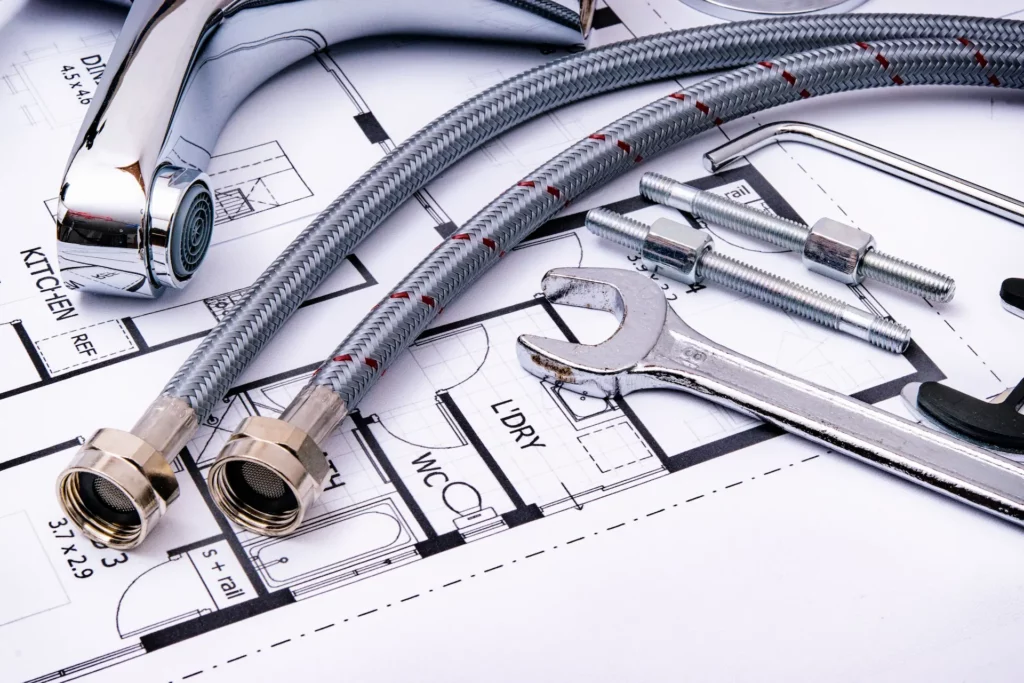
According to CHOICE, citing Suncorp claims data, 10% of home insurance water damage claims in 2024 were caused by burst flexi-hoses, with average claims of around $30,000. Around 6% of these claims exceeded $100,000.
Plumbing problems can affect more than just your property; they can also impact the health of the people living or working in it.
Leaking pipes, poor drainage and hidden water leaks can create persistent dampness that encourages mould growth.
According to the World Health Organization, occupants of damp or mouldy buildings are at an increased risk of respiratory symptoms, respiratory infections and asthma.
The guidelines recommend preventing and promptly remediating dampness and mould to reduce these health risks.
Plumbing issues don't just affect your pipes; they can also reduce the lifespan of water-connected appliances.
For example, blocked drains can prevent washing machines and dishwashers from draining properly, while excessively high water pressure places extra strain on hoses, valves and seals.
Hidden leaks can also cause hot water systems to work harder than necessary. Addressing these plumbing issues early can help prevent unnecessary wear, reduce the risk of breakdowns and extend the life of your appliances.
Plumbing problems can create the conditions that attract unwanted pests.
Leaking pipes, blocked drains and excess moisture provide the damp conditions that pests such as cockroaches thrive in.
The Victorian Department of Health notes that oriental cockroaches are commonly found around drainage systems and in damp areas, with inspections focusing on plumbing in kitchens and bathrooms. Addressing plumbing issues promptly helps reduce moisture and make your property less attractive to pests.
Regular plumbing maintenance helps identify small issues before they become expensive repairs. It can also extend the life of your plumbing system, improve reliability and reduce the risk of unexpected breakdowns.
If you need a plumbing maintenance service in Melbourne CBD, contact Blue Diamond Plumbing.
We have licensed plumbers who can inspect your plumbing system, identify potential issues and recommend the most appropriate repairs before they become bigger problems.
Common signs include recurring blocked drains, leaking taps, unusually high water bills, low water pressure, slow drains, discoloured water or unpleasant odours. If you notice any of these issues, it's worth arranging a plumbing inspection before the problem worsens.
A plumbing maintenance service typically includes inspecting pipes, taps, toilets, drains, water pressure, hot water systems, valves and visible plumbing fixtures for signs of leaks, corrosion, blockages or wear.
Depending on the findings, your plumber in Melbourne CBD may recommend repairs or replacements to help prevent future problems.
There is no one-size-fits-all schedule for plumbing maintenance. The ideal frequency depends on factors such as the age of your property, the condition of the plumbing system and how heavily it is used. Older homes and commercial properties often benefit from more frequent inspections.
You can perform basic checks such as looking for visible leaks, monitoring changes in water pressure and keeping drains free of debris. However, diagnosing hidden plumbing issues and carrying out repairs should be left to a licensed plumber.
If your childcare centre has an emergency blocked toilet in Port Melbourne, isolating the affected area, protecting children and staff, and arranging prompt professional repairs can help minimise health risks, maintain compliance, and get your facilities back into service safely.
At a Glance
Key Takeaways
Table of Contents
A blocked toilet can quickly become more than just a plumbing problem if wastewater overflows, hygiene standards are compromised, or essential bathroom facilities become unavailable.
Children are more vulnerable to germs and bacteria than adults which means prompt action is essential if a toilet overflows or wastewater escapes. Restricting access to the affected area and restoring safe bathroom facilities as quickly as possible helps reduce the risk of contamination and supports a hygienic environment.
A blocked toilet can interrupt normal routines, place additional pressure on remaining bathroom facilities, and create challenges for staff managing children's health and wellbeing.
It may also place additional pressure on remaining bathroom facilities, making it harder for staff to manage children's daily routines.
When a toilet becomes blocked, the priority is to protect children and staff while preventing the problem from escalating.
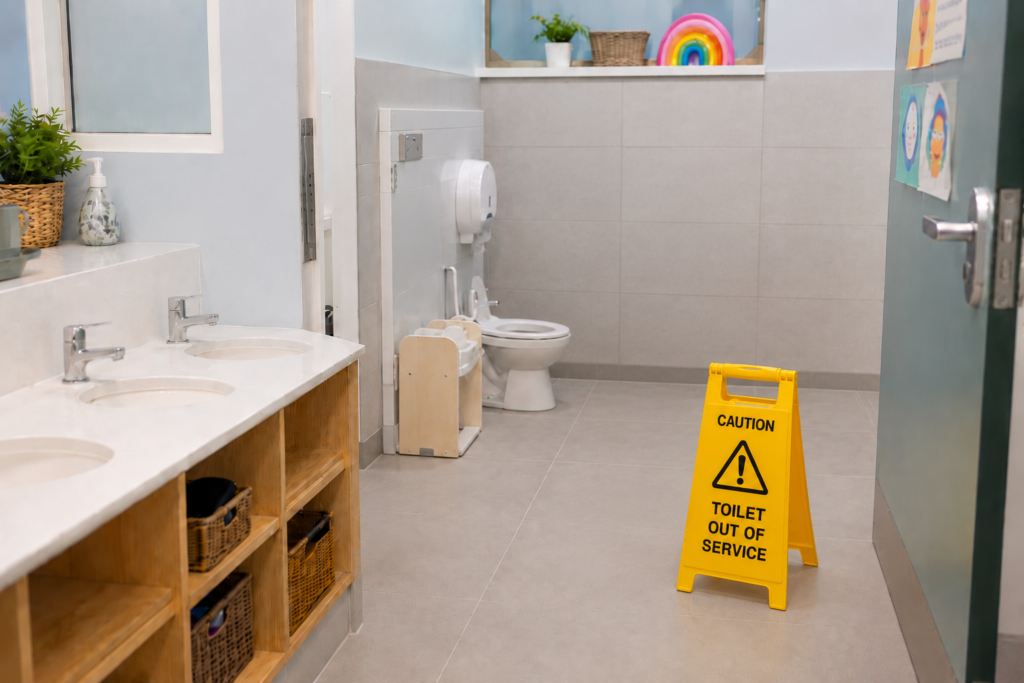
As soon as a blockage is discovered, prevent anyone from using the affected toilet until it has been inspected and repaired. If the toilet is overflowing or wastewater is escaping, restrict access to the surrounding area as well to minimise the risk of contamination and slips.
Where possible, direct children and staff to alternative bathroom facilities and clearly communicate that the affected toilet is temporarily out of service.
Every childcare centre should have procedures for managing health and safety incidents, including situations that may expose children or staff to contaminated areas. Follow your centre's policies for isolating the area, cleaning any minor spills where it is safe to do so, and documenting the incident if required.
If sewage or contaminated wastewater is present, avoid attempting extensive clean-up without the appropriate equipment and training.
Inform the centre director or the staff member responsible for facilities management as soon as possible so they can coordinate the appropriate response.
Recording the incident can also help identify recurring plumbing issues that may need further investigation.
Not every blocked toilet requires an immediate emergency call-out. But if your Port Melbourne childcare centre is experiencing any of the following, it's time to contact an emergency plumber.
These signs usually point to a bigger drainage problem rather than a simple blocked toilet.
This isn't the time to experiment with drain cleaners or keep flushing in the hope the blockage clears itself. Getting the problem fixed properly the first time helps avoid further disruption to your centre.
Most blocked toilet emergencies are preventable. A few simple habits can significantly reduce the risk.
Excessive toilet paper, wipes, paper towels, sanitary products, and children's toys are among the most common causes of blocked toilets. Clear signage and simple reminders for staff can help reduce the risk of unsuitable items entering the plumbing system.
If the same toilet blocks repeatedly, drains slowly, or multiple fixtures are affected, it's often a sign of a larger drainage or sewer issue rather than a one-off blockage.
Many childcare centres in Port Melbourne place heavy demand on their plumbing every day. Regular inspections and preventative maintenance help identify worn fixtures, drainage problems, and developing blockages before they interrupt your operations.
When a blocked toilet affects your childcare centre, acting quickly helps protect children, minimise disruption, and get your facilities back to normal as soon as possible.
For more than 40 years, Blue Diamond Plumbing has helped Port Melbourne childcare centres and businesses respond quickly to plumbing emergencies and prevent recurring problems through proactive maintenance.
If a blocked toilet is disrupting your childcare centre, contact Blue Diamond Plumbing for a fast, reliable emergency response.
It depends on the situation. If enough safe, hygienic toilet facilities remain available, the centre may be able to continue operating while the blockage is repaired. If the blockage creates a health risk or significantly affects bathroom access, it should be addressed as soon as possible.
Many blocked toilets can be cleared relatively quickly, but the repair time depends on what's causing the blockage. If the issue is within the drain or sewer line, additional investigation and repairs may be required.
High-use facilities like childcare centres benefit from regular plumbing inspections. Routine maintenance helps identify developing issues before they turn into emergency repairs and can reduce the risk of unexpected disruptions.
TMV testing for aged care involves inspecting and testing thermostatic mixing valves to ensure hot water is delivered at safe temperatures.
For aged care facilities in South Melbourne, regular testing helps protect residents from scalding, supports compliance, and identifies problems before they become expensive repairs or safety risks.
Key Takeaways
Table of Contents
A thermostatic mixing valve (TMV) is a plumbing device that blends hot and cold water to maintain a safe outlet temperature. If the hot or cold water supply changes unexpectedly, the valve automatically adjusts to help keep the water temperature consistent.
TMV testing is the process of inspecting and testing TMVs to ensure they’re delivering hot water at safe temperatures.
TMVs are an important safety feature in aged care facilities. But they are also commonly installed in areas where vulnerable people may be at a greater risk of scalding, including:
TMV testing plays an important role in maintaining a safe environment for aged care residents. It helps reduce the risk of scalding, supports compliance with Australian plumbing standards, and ensures thermostatic mixing valves continue to operate as intended.
Older adults are more vulnerable to scalding injuries due to thinner skin, reduced mobility and slower reaction times. Regular TMV testing helps ensure hot water is delivered at safe temperatures, providing a safer environment for residents during everyday activities such as showering and hand washing.
A faulty or poorly maintained TMV can allow water temperatures to become unsafe, increasing the risk of serious burns. Routine testing helps identify worn or malfunctioning valves before they become a safety hazard, allowing repairs or replacements to be carried out promptly.
TMV testing and maintenance form part of broader plumbing safety and compliance practices in aged care facilities. Maintaining testing records and servicing TMVs in accordance with relevant Australian Standards helps demonstrate that your facility is taking reasonable steps to maintain safe hot water systems and protect residents.
For most aged care facilities, TMVs should be tested at least every 12 months to ensure they're continuing to deliver hot water at safe temperatures and operating as intended.
Australian Standard AS 4032.3 provides guidance on how TMVs should be tested and maintained throughout their service life.
However, annual testing should be viewed as the minimum, not your entire maintenance strategy. Depending on your facility's risk assessment, internal maintenance program or accreditation requirements, more frequent inspections may be appropriate.
Like any plumbing component, TMVs wear over time. Seals can deteriorate, thermostatic elements can become less responsive, and mineral build-up can affect performance. Regular maintenance helps identify these issues early, reducing the risk of unexpected failures and ensuring your hot water system continues to operate safely.
As part of your TMV maintenance program, you should:
| TMV Maintenance Requirement | Best Practice |
| Testing frequency | At least every 12 months (or more frequently if required) |
| Testing | Performed by a licensed plumber in accordance with AS 4032.3 |
| Record keeping | Keep records of all testing, servicing and repairs |
| Faults | Repair or replace faulty TMVs promptly |
| Maintenance | Include TMV testing in your preventative maintenance program |
A proactive approach to TMV maintenance helps reduce unexpected plumbing issues, protects residents, and assures you that your hot water system is operating safely year-round.
A TMV test involves inspecting and testing each thermostatic mixing valve to ensure it's operating correctly and delivering hot water at a safe temperature. The process is carried out by a licensed plumber and is designed to identify any issues before they become safety or compliance risks.
During a TMV test, the plumber will typically:
If a TMV doesn't meet the required performance standards, it may need to be serviced, repaired or replaced.
Common issues include worn internal components, mineral build-up, incorrect water temperatures or valves that no longer respond correctly to temperature changes.
Any faulty TMVs should be addressed promptly to help maintain resident safety and ensure the facility's hot water system continues to operate as intended.
The best time to find a plumbing problem is before it becomes one. Regular TMV testing is a simple step that helps keep your facility safe, compliant and running smoothly.
If you need TMV testing in South Melbourne or ongoing preventative plumbing maintenance, contact us to see how we can help.
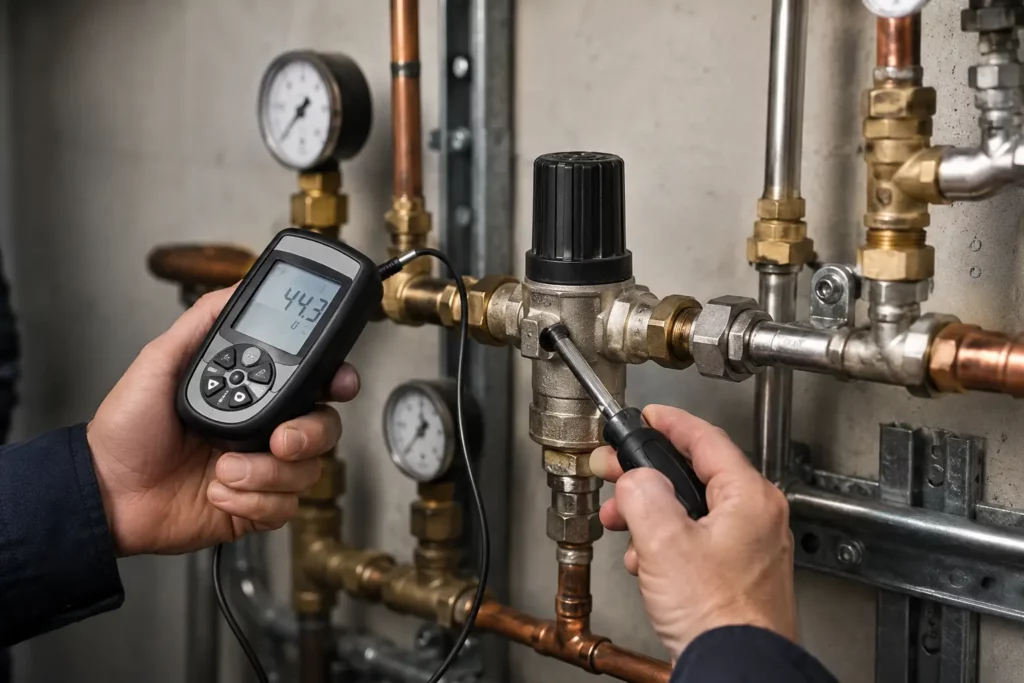
TMVs installed throughout an aged care facility should be included in your ongoing plumbing maintenance program. Regular testing helps confirm they're continuing to operate correctly and deliver water at safe temperatures, while also identifying any issues before they become a safety risk.
TMV testing should be carried out by a licensed plumber with the appropriate qualifications and equipment.
TMV testing focuses on ensuring thermostatic mixing valves are operating safely and correctly. Preventative plumbing maintenance is a broader program that includes TMV testing alongside routine inspections and servicing of other plumbing assets to help reduce unexpected breakdowns, improve reliability and keep your facility operating smoothly.
It's good practice to keep records of all TMV testing, servicing, repairs and replacements. Accurate maintenance records help track the condition of your plumbing assets, support ongoing maintenance planning, and demonstrate that your facility is maintaining its hot water system.
If you manage, own, or occupy a commercial property, backflow testing is not something to leave until there is a problem. Backflow happens when water flows the wrong way and contaminated water is pulled back into the clean drinking supply.
In a commercial building, that risk can involve more people, more plumbing complexity, and more serious consequences.
The point is simple: if your building has complex or shared plumbing, regular backflow prevention testing helps protect health, keeps the property compliant, and reduces avoidable disruption.
In this guide, we explain what backflow means, why commercial sites in South Melbourne face higher risk, how annual backflow testing works, and when to arrange a professional inspection.
In a commercial plumbing system, backflow means water moves in reverse and carries contaminants back into the drinking water supply. This usually happens when pressure changes inside the system. If supply pressure drops, water from within the property can be drawn back toward the main water supply.
This can happen in buildings with cross connections, which are points where drinking water is connected directly or indirectly to another source or system.
In commercial properties, that may involve:
One of the biggest challenges with backflow is that the problem is often not obvious. You usually cannot see, smell, or taste contamination early, which is why proper backflow inspection and testing are so important.
Commercial buildings are usually more complex than standard residential properties. They often have:
This includes office buildings, restaurants, cafes, high-rise apartments, mixed-use developments, childcare centres, aged care facilities, warehouses, and industrial properties.
In multi-storey buildings, pressure fluctuations can become more common because the plumbing system serves many levels and varying usage patterns throughout the day.
South Melbourne also falls within South East Water’s regulated service area, where containment backflow prevention devices and annual testing requirements are taken seriously.
The more complex the building, the higher the backflow risk usually becomes.
Ignoring backflow testing can quickly become more than a plumbing issue. It can affect health, compliance, and day-to-day building operations.
If contaminated water enters the drinking supply, staff, tenants, customers, and visitors may be exposed to bacteria, chemicals, or waste from within the property. That is why backflow prevention is treated as a public health issue, not simply a maintenance issue.
Many commercial properties with medium or high hazard devices must have them registered and tested regularly. If this does not happen, the property may face notices, enforcement action, or compliance issues with the water authority.
Backflow problems can lead to tenant complaints, operational disruption, and avoidable pressure on property managers and business owners.
For hospitality venues, medical facilities, childcare centres, and aged care properties, even a suspected water quality issue can create serious business and reputational consequences.
When backflow testing is missed, the risk moves well beyond plumbing and becomes a broader building management liability.
A backflow prevention device is designed to stop contaminated water from flowing back into the clean water supply. Testing confirms that the device is operating correctly and that the property remains protected.
During a backflow inspection, a licensed plumber will usually:
For many commercial properties, this forms part of annual backflow testing requirements.
In Victoria, commissioning, maintenance, initial testing, and annual retesting of a testable backflow prevention device can only be carried out by a person licensed in the specialised class of Backflow Prevention Work. That matters because test results must be technically correct, properly documented, and defensible if the property is audited.
Many owners and managers assume backflow prevention only applies to highly industrial sites.
In reality, many ordinary commercial properties contain the types of plumbing systems and cross connections that create a testing obligation.
This commonly applies to:
If a building serves multiple occupants or contains specialist water-connected systems, it is safer to have the property assessed properly rather than assume the risk is low.
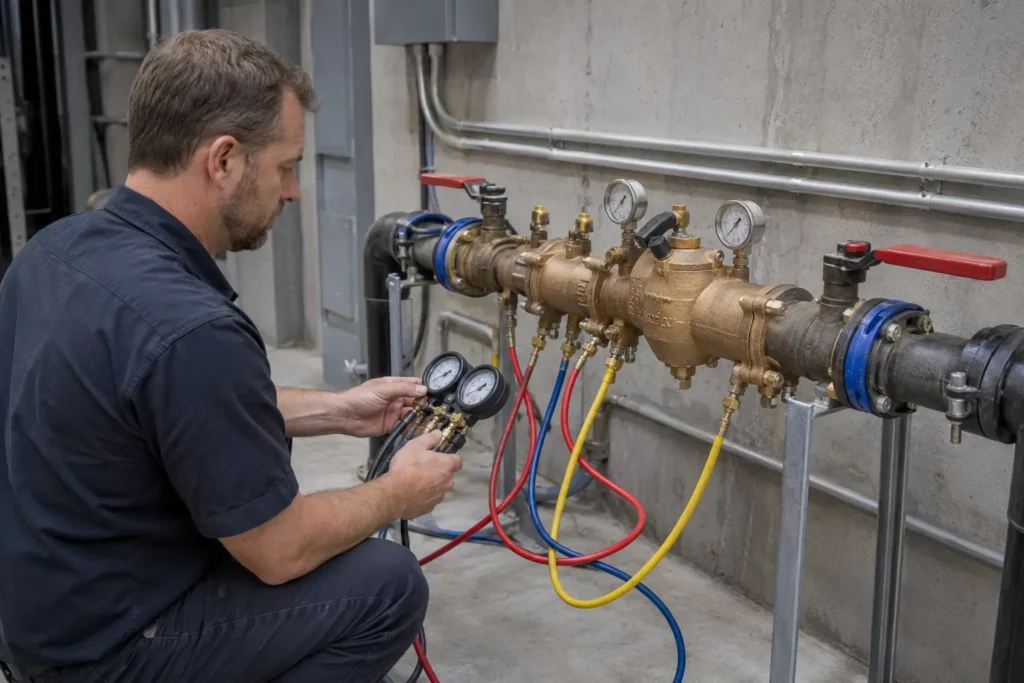
Routine annual testing remains the main safeguard, but some warning signs can indicate the device or wider plumbing system needs earlier attention.
These signs can include:
The difficulty is that many backflow problems develop quietly without obvious warning signs until the issue already affects the building.
If any of these signs appear, arranging a professional backflow inspection sooner is usually the safest option.
We provide compliant, professional backflow testing in South Melbourne for commercial buildings, strata properties, and facilities that need dependable maintenance support.
When you call, you speak directly with an experienced plumber, not a receptionist. Blue Diamond Plumbing has operated across Melbourne since 1984 and is known for responsive service, honest advice, and thorough reporting. Where needed, the team also provides before and after photos to help support maintenance and compliance records.
If your property needs annual backflow testing or inspection, call 03 9636 0156 to help protect your water supply, compliance position, and day-to-day building operations.
Many hot water systems seem fine until the day they stop working. That’s part of the problem. Tanks, valves, thermostats, heating elements, and internal parts can wear down quietly over time, even when the system still delivers hot water most days.
In Docklands, that matters because many apartments and homes rely on systems installed years ago, and age often becomes the biggest risk before people realise there is an issue.
As a general guide, most hot water systems last about eight to 15 years, depending on the type of system, the quality of the installation, water conditions, household demand, and whether the unit has been checked properly over the years.
This article is here to help you recognise when a hot water system in Docklands may be ageing, what warning signs matter, and when it may be time to arrange a professional repair or inspection before the problem becomes urgent.
For many hot water repair enquiries, the system’s age is one of the most important starting points. A unit can look fine externally while key internal components are already nearing the end of their lifespan.
In Australian homes:
These are general guides only. Lifespan varies depending on water quality, installation standards, usage, and maintenance history. A smaller system under constant demand may wear out faster than a well-sized, regularly serviced unit.
Many ageing systems continue operating until they suddenly fail, which is why regular checks are recommended instead of waiting for a complete breakdown.
Most hot water failures don’t start with one obvious sign. They usually develop from gradual internal wear over time. Tanks can corrode, sediment can build up and reduce efficiency, and components such as heating elements, thermostats, and valves can weaken as the system ages.
Much of this damage stays hidden until performance drops or the system begins to fail.
That is why aging hot water systems in Docklands can stop working with very little warning. One day the supply may seem normal. The next day there is no hot water, water is leaking into a cupboard or service area, or the unit suddenly needs emergency repairs or replacement during colder weather.
Recognising the early warning signs gives you a better chance to act before the failure becomes urgent.
Most systems give some warning before a major failure, even if the signs are easy to dismiss at first.
Common warning signs include:
These issues can point to thermostat faults, heating element problems, internal corrosion, sediment build-up, or ageing components that may require professional repairs or servicing.
A proper inspection helps determine whether servicing, repair, or replacement is the better option before a complete system failure forces a rushed decision.
Regular hot water system maintenance in Docklands is not only about extending the life of the system. It is also about reducing avoidable stress and identifying problems earlier before they become expensive.
A professional inspection can:
That matters because aging hot water systems rarely fail at a convenient time. A leak can damage floors, cupboards, and nearby finishes. A breakdown can leave a household without hot water when demand is high. Emergency replacements can also create pressure to make faster decisions with fewer product options available.
The Victorian Building Authority explains that hot water must be stored above 60 degrees Celsius to help reduce the risk of harmful bacteria, with controlled delivery temperatures used to protect users at outlets. As systems age, regular servicing becomes one of the most practical ways to protect both safety and reliability.
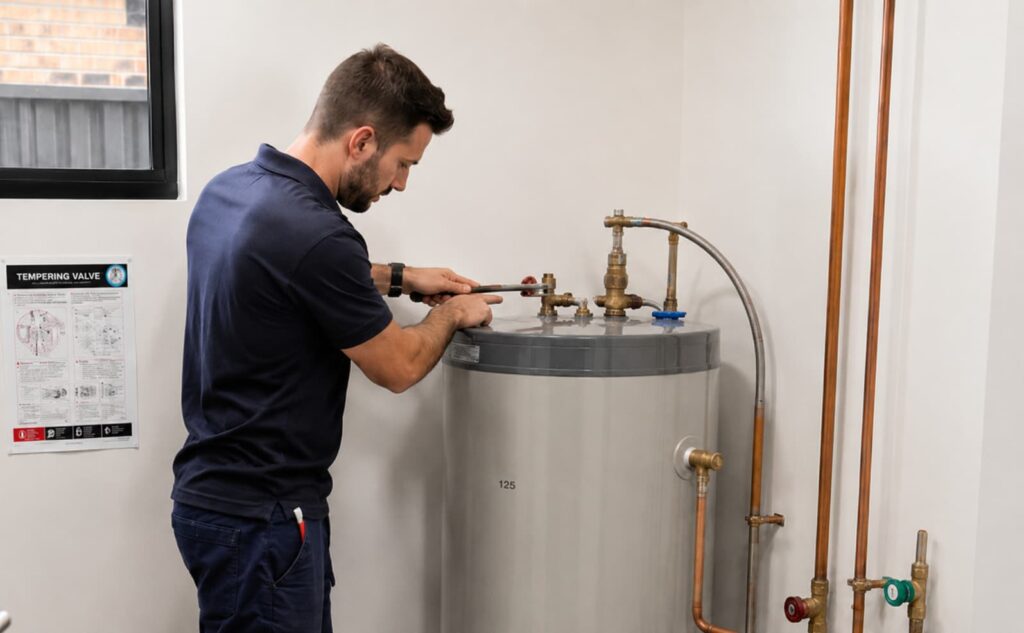
There are several good times to arrange a professional hot water inspection.
You should consider booking a check if:
This is especially important in Docklands apartments where installation layouts, shared building conditions, and limited access areas can make hot water issues more complicated.
Early inspections usually provide more time to plan repairs or replacement properly before the system fails unexpectedly.
If your hot water system in Docklands is getting older, now is the time to have it assessed before the problem becomes urgent.
Blue Diamond Plumbing works on hot water systems across Docklands apartments, homes, and commercial facilities. When you call, you speak directly with an experienced plumber who understands the plumbing conditions commonly found across Melbourne’s inner-city buildings.
We’ve been operating since 1984, and is known for responsive service, honest advice, and practical recommendations based on what the system actually needs. Where required, the team also provides before and after photos along with clear reporting.
If your unit is showing signs of age, book a professional hot water check or call 03 9636 0156.